
Types of therapy


A therapy type is distinguished by the particular approach or theory of psychotherapy it is based on or the interventional techniques it employs to resolve patient issues. Additionally, there are specialized therapies for treating specific mental health conditions or for achieving particular goals.
Behavioral therapies incorporate techniques to identify and change dysfunctional thinking and behavioral patterns. Cognitive behavioral therapy, motivational enhancement therapy, contingency management, dialectical behavior therapy, rational emotive behavior therapy, motivational interviewing, and multidimensional family therapy are examples of behavioral therapies.
Medical interventions in addiction treatment involve the use of approved medicines to induce detoxification and/or manage withdrawal symptoms. Methadone maintenance therapy, Suboxone (buprenorphine/naloxone) therapy, and administering naltrexone and Antabuse are examples of medication-assisted treatment for addiction.
Systemic therapies consider a person as an embedded part of multiple systems and focus on how their interpersonal relationships, life choices, and behavioral responses are connected to the quality of their lives and the struggles they face. Individual therapy, family therapy, and group therapy are examples of systemic therapies.
Holistic therapies follow a “whole-person” approach that emphasizes physical, emotional, and social wellness. Mindfulness-based stress reduction, yoga, meditation, acupuncture, massage, mindfulness therapy, and supportive psychotherapy are examples of holistic therapies.
Specialized therapies in addiction treatment are distinguished by their emphasis on three similar generalized goals: reducing substance use, preventing and/or decreasing the frequency and intensity of relapse, and maximizing multiple dimensions of life functioning. The Minnesota model, relapse prevention programs, NAD therapy, aftercare support groups, sober living houses, 12-step programs, recovery coaching, and sober companionship are examples of specialized therapies in addiction treatment.
Behavioral therapies

Behavioral therapies is an umbrella term that describes a broad range of psychotherapeutic techniques to identify and replace maladaptive behaviors with desirable ones. According to Kathleen M. Carroll and Lisa S. Onken in their 2005 article titled “Behavioral Therapies for Drug Abuse” published in the American Journal of Psychiatry, behavioral therapies are effective interventions for multiple types of drug addiction.
The types of behavioral therapies are listed below.
- Cognitive behavioral therapy
- Motivational enhancement therapy
- Contingency management
- Dialectical behavior therapy (DBT)
- Rational emotive behavior therapy (REBT)
- Multidimensional family therapy (MDFT)
- Motivational interviewing (MI)
1. Cognitive behavioral therapy
Cognitive behavioral therapy (CBT) aims to identify and alter a patient’s distorted and dysfunctional thinking patterns and problematic behavioral responses by utilizing cognitive restructuring and behavioral modification techniques. It is a “solutions-oriented” form of talking therapy. CBT addresses the current challenges of the patient instead of focusing on their past.
It is recognized that cognitive behavioral therapy is effective in treating diverse mental health conditions like anxiety, depression, bipolar disorder, eating disorders, borderline personality disorder, phobias, post-traumatic stress disorder, obsessive-compulsive disorder, psychosis, schizophrenia, and sleep problems. The common types of cognitive behavioral therapy are cognitive processing therapy, cognitive therapy, dialectical behavior therapy, rational emotive behavior therapy, self-instructional training, and stress inoculation training.
According to this 2017 publication by the American Psychological Association, titled “What is Cognitive Behavioral Therapy?” common CBT techniques include identifying and re-evaluating maladaptive thought processes; learning and using problem-solving skills; developing and/or enhancing self-esteem; using role play to simulate and thus, prepare for problematic interactions; facing one’s fears; and learning relaxation techniques. The benefits of cognitive behavioral therapy in the context of addiction treatment are helping patients identify and unlearn automatic drug-seeking behaviors and develop skills that help them reduce substance use and maintain abstinence.
2. Motivational enhancement therapy
Motivational enhancement therapy (MET) is a short-term therapeutic and counseling strategy to enhance a patient’s motivation to alter self-destructive behaviors and make positive changes. MET was initially used for people with substance use disorder but is now used for other problem behaviors.
According to this 2021 article by Kumar et al., published in the Journal of Family Medicine and Primary Care, titled “Effect of Motivational Enhancement Therapy (MET) on the self efficacy of Individuals of Alcohol dependence,” motivational enhancement therapy benefits addiction treatment by helping patients develop self-efficacy, which has a protective role in preventing relapses. However, the authors note that most of the studies on the effectiveness of MET have been carried out on people with alcoholism and that the sample sizes were small.
3. Contingency management
Contingency management is a technique where a reward or reinforcement is provided every time a predetermined and desired behavior is exhibited by the patient. It is based on the premise that a behavior is repeated if it is followed by a reward and reduced if the reward is withheld.
According to a 2006 article by Prendergast et al., published in the journal Addiction, titled “Contingency management for treatment of substance use disorders: a meta-analysis,” this therapy is one of the most effective approaches to promote abstinence. Contingency management in addiction treatment works by enhancing retention and treatment adherence, reducing substance use, and sustaining abstinence.
4. Dialectical behavior therapy (DBT)
Dialectical behavior therapy (DBT) focuses on teaching patients strategies to manage intense emotions, cope with life’s challenges healthily, and enhance the quality of their social relationships. DBT was originally intended for treating people with suicidal tendencies. It is also used for other severe psychiatric conditions like borderline personality disorder and addiction.
Authors Abdulkadir Haktanır and Karisse A. Callender in their 2020 article titled “Meta-Analysis of Dialectical Behavior Therapy (DBT) for Treating Substance Use” published in the journal Research on Education and Psychology note that dialectical behavior therapy (DBT) has shown remission of addiction symptoms and increase in abstinence rates in multiple studies. A modified version of DBT that involves skills training is especially effective for people with addiction.
5. Rational emotive behavior therapy (REBT)
Rational emotive behavior therapy (REBT) aims to help patients identify irrational beliefs about themselves and the world around them, and replace these with positive, healthier, and realistic thinking patterns. It is an action-focused approach that is based on the premise that irrational and negative thinking patterns trigger psychological issues.
According to F. Michler Bishop in the chapter “REBT and addictions” from the book titled REBT with Diverse Client Problems and Populations published in 2019, REBT is a truly integrative approach with cognitive, behavioral, and emotive techniques that are well-suited for treating addiction. Practitioners generally report that rational emotive behavior therapy (REBT) is effective for treating alcohol- and substance-abusing patients.
6. Multidimensional family therapy (MDFT)
Multidimensional family therapy (MDFT) aims to reduce adolescent substance abuse and problematic behaviors of youths with addiction, according to a 2006 article by Aaron Hogue and Sarah Dauber published in the Journal of Family Psychology titled “Treatment Techniques and Outcomes in Multidimensional Family Therapy for Adolescent Behavior Problems.” It is an intensive, in-home treatment model. Hogue and Dauber note that MDFT significantly reduces substance abuse up to a year after treatment and improves family dynamics. The Office of Justice Programs of the U.S. Department of Justice rates MDFT as a “promising” intervention.
7. Motivational interviewing (MI)
Motivational interviewing (MI) promotes behavioral modification in people by identifying and resolving their mixed and contradictory feelings about change and helping them develop intrinsic motivation. Unlike MET, MI is a broader therapeutic strategy and does not emphasize individualized evaluation, feedback, and change plans.
According to this 2006 article by Carroll et al., published in the journal Drug and Alcohol Dependence, titled “Motivational interviewing to improve treatment engagement and outcome in individuals seeking treatment for substance abuse: A multisite effectiveness study,” using motivational interviewing in addiction treatment improves retention rates in the early phases of therapy. MI has been found to produce positive health behavioral changes that are at least equivalent to those associated with more intensive psychosocial interventions and that too, within a shorter period.
Detoxification (detox)
Detoxification (detox) refers to a therapeutic intervention that eliminates or reduces the amount of toxic substances like drugs and alcohol from the body. However, it does not constitute treatment and rehabilitation of the psychological, behavioral, and social problems associated with addiction.
Detox includes multiple interventions aimed at managing acute intoxication and/or dependence and helping patients navigate withdrawal safely. Drug detoxification, also known as withdrawal management, comprises both medical and psychosocial interventions.
The types of detoxification are listed below.
- Medical detox
- Social detox
1. Medical detox
Medical detox refers to eliminating toxic and addictive substances from the body under the supervision and guidance of a licensed medical team and with the administration of medication. Medical detox is essential for people who are or believe to be physically dependent on a substance of abuse and hence, are at risk of experiencing severe and potentially life-threatening withdrawal symptoms. It is their very first step to sobriety.
2. Social detox
Social detox refers to a social model of addiction treatment that emphasizes providing people seeking recovery with a supportive non-hospital setting to help them navigate withdrawal safely, according to a 2006 release by the Substance Abuse and Mental Health Services Administration (SAMHSA) titled “Detoxification and Substance Abuse Treatment [Internet].” It supports abstinence by promoting peer support, creating opportunities for developing meaningful and positive connections, and fostering a sense of autonomy by mastering skills and enhancing functionality.
Medication-assisted treatment (MAT)
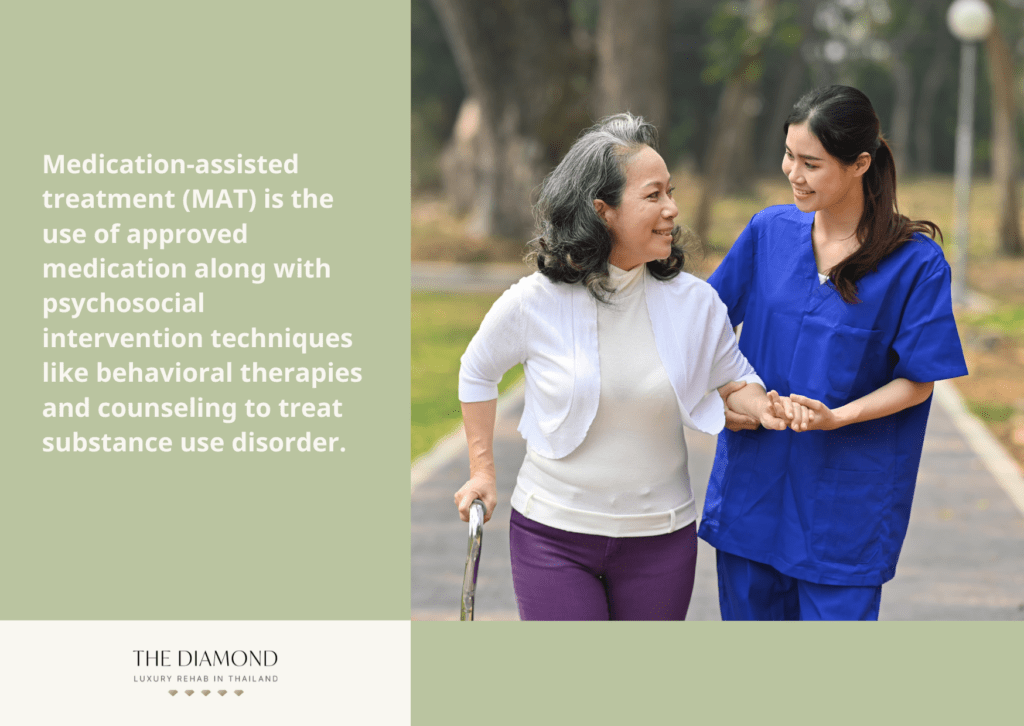
Medication-assisted treatment (MAT) is the use of approved medication along with psychosocial intervention techniques like behavioral therapies and counseling to treat substance use disorder. Addiction triggers changes in the brain, and MAT supports addiction treatment by addressing these changes.
The types of medication-assisted treatment are listed below.
- Methadone maintenance therapy (MMT)
- Suboxone (buprenorphine/naloxone) therapy
- Naltrexone
- Antabuse
1. Methadone maintenance therapy (MMT)
Methadone maintenance therapy (MMT) is a drug-rehabilitation therapy where people with opioid use disorder are prescribed a daily oral dose of methadone to reduce cravings and withdrawal symptoms. According to a 2009 article edited by Mattick et al., titled “Methadone maintenance therapy versus no opioid replacement therapy for opioid dependence” and published in the Cochrane Database of Systematic Reviews, MMT has been shown to improve treatment retention rates and decrease the use of opioids.
2. Suboxone (buprenorphine/naloxone) therapy
Suboxone (buprenorphine/naloxone) therapy refers to the use of Suboxone, which is approved by the FDA, for the maintenance treatment of opioid use disorder. Suboxone is a trade name for buprenorphine combined with naloxone. It is available as a sublingual tablet and a film for sublingual or buccal administration.
According to a StatPearls [Internet] release titled “Buprenorphine and Naloxone” by Brandon M. Togioka and Preeti Patel that was last updated on 24 February 2024, buprenorphine-naloxone formulations carry a box warning that, if misused, these medications have the potential to cause addiction. Suboxone addiction is possible even though it has less abuse potential than Subutex, a buprenorphine-only medication approved for opioid use disorder. The naloxone in Suboxone protects against abuse by triggering withdrawal symptoms.
3. Naltrexone
Naltrexone is a medication approved by the FDA to treat alcoholism and opioid use disorder and recommended for use as part of a comprehensive treatment plan that includes counseling and other behavioral modification therapies, according to a release by the SAMHSA titled “Naltrexone” and last updated on 29 March 2024. Naltrexone is available as a pill and an intramuscular injection. It works by blocking the effects of opioids, thereby reducing cravings.
4. Antabuse
Antabuse is the trade name for disulfiram. Disulfiram is a medication approved by the Food and Drug Administration for alcoholism, according to a StatPearls [Internet] release by Stokes et al., titled “Disulfiram” that was last updated on 21 March 2024. Antabuse works by preventing the body from processing alcohol and triggering unpleasant side effects that discourage the individual from drinking.
Individual counseling
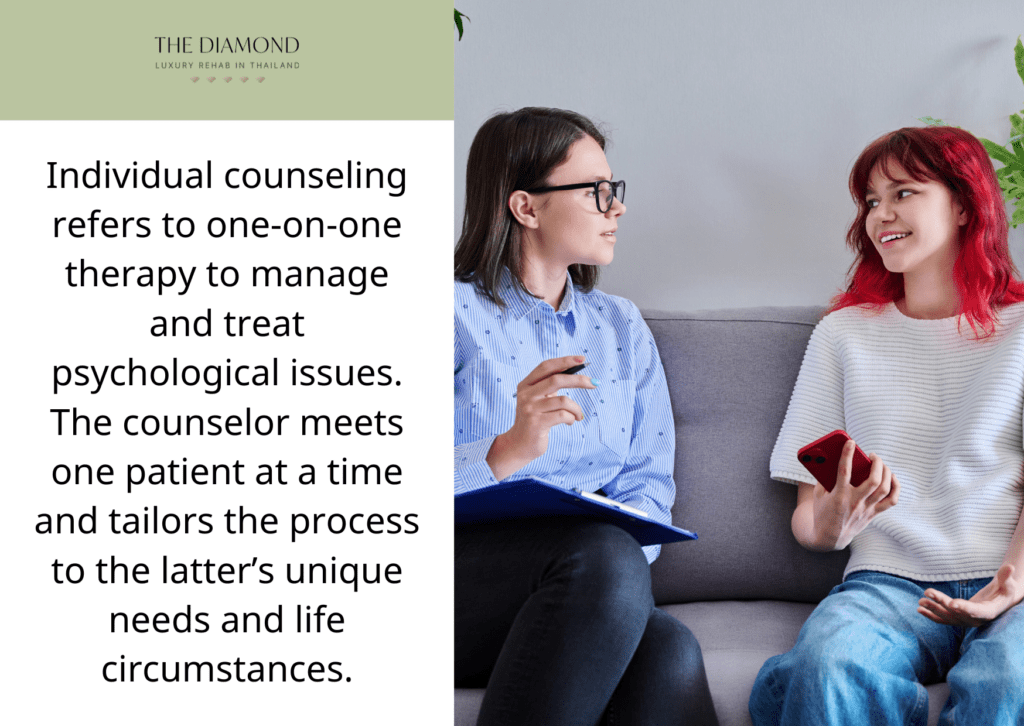
Individual counseling refers to one-on-one therapy to manage and treat psychological issues. The counselor meets one patient at a time and tailors the process to the latter’s unique needs and life circumstances. Individual counseling in addiction treatment helps patients identify and process their deep-seated traumas in a supportive and confidential setting and/or resolve their current problems to lead a more stress-free life.
The types of individual counseling are listed below.
- Solution-focused brief therapy (SFBT)
- Person-centered therapy
1. Solution-focused brief therapy (SFBT)
Solution-focused brief therapy (SFBT) refers to short-term psychotherapy that addresses only the problems of the here and now and works toward reaching specific goals within a limited time. According to a 2021 article by Cynthia Franklin and Audrey Hang Hai published in the journal Health & Social Work, titled “Solution-Focused Brief Therapy for Substance Use: A Review of the Literature,” SFBT is effective in improving addictive behaviors and associated psychosocial problems. SFBT is also delivered in group settings.
2. Person-centered therapy
Person-centered therapy is a non-directive form of psychotherapy, delivered in both individual and group settings, where the patient is allowed to direct the session and express and reflect on their thoughts, emotions, and beliefs while the therapist listens and provides clarification without advising, interpreting the words of the patient, or directing the course of the session. The goal is to facilitate self-discovery, actualization, and personal growth by letting patients arrive at the solutions to their problems themselves.
Therapies grounded in a strong and positive therapeutic relationship based on trust, unconditional acceptance, and empathy–a cornerstone of person-centered therapy–have the most positive impact on addiction treatment, according to J. R. Fleck and D. T. Fleck in the chapter named “A person-centred approach to addiction treatment” from the book “The handbook of person-centred psychotherapy and counselling” published in 2013. Person-centered therapy in addiction treatment is effective when delivered concurrently with other evidence-based therapies.
Group therapy
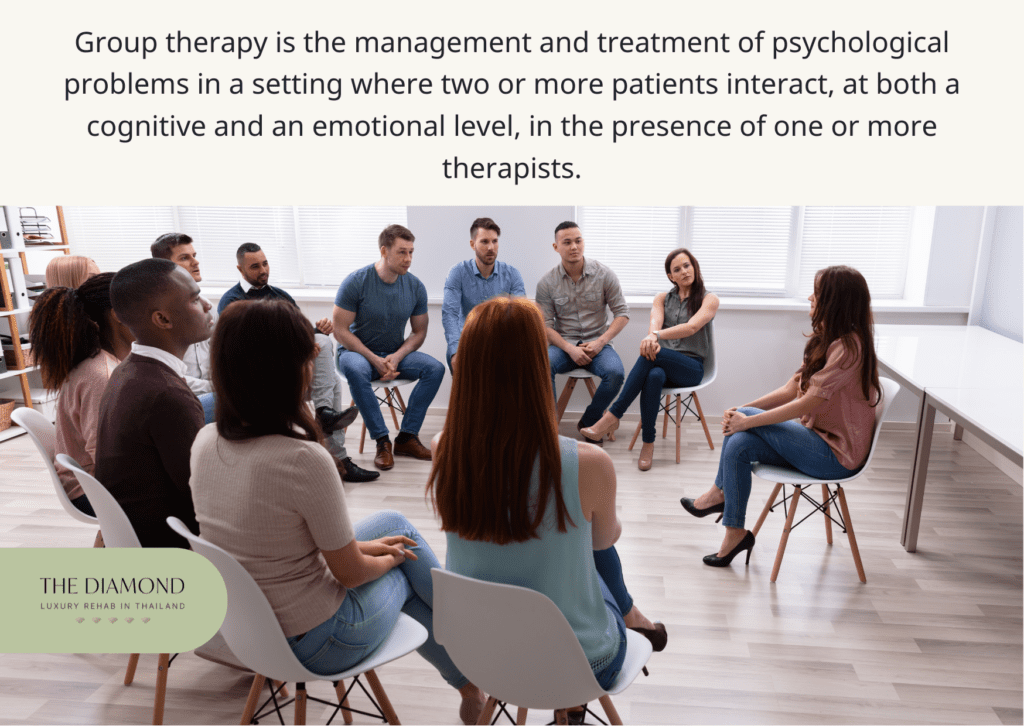
Group therapy is the management and treatment of psychological problems in a setting where two or more patients interact, at both a cognitive and an emotional level, in the presence of one or more therapists. Group therapy is cost-effective and in the context of addiction treatment, it has shown positive outcomes comparable to individual therapy for treatment acceptance and retention, reduction in substance use, and improvement of abstinence rates and psychological symptoms.
The types of group therapy are listed below.
- Psychoeducational groups
- Process groups
1. Psychoeducational groups
Psychoeducational groups refer to a form of psychotherapy where the goal is to educate the patients about a range of psychological conditions and/or illnesses and help them develop skills that enhance individual and social functioning. Instead of bringing about a personality change, these groups expand self-awareness with knowledge that the patients are able to apply directly to their lives.
Psychoeducational groups impart knowledge about the medical, psychological, and behavioral repercussions of sustaining substance abuse, as mentioned in the chapter named “Types of Groups Commonly Used in Substance Abuse Treatment” from the 2005 SAMHSA publication titled “Substance Abuse Treatment: Group Therapy [Internet].” Psychoeducational group therapy for addiction treatment motivates individuals to seek and/or adhere to treatment by counteracting denial about their addictive behaviors, enhancing their level of commitment, bringing about changes in maladaptive behaviors, and supporting pro-recovery behaviors.
2. Process groups
Process groups refer to a form of psychotherapy where two or more patients meet under the leadership of one or more trained therapists to share their experiences and struggles with mental health issues and exchange meaningful knowledge. The groups emphasize dynamics and interactions between the members and nurturing of supportive relationships, instead of individual issues.
Process groups promote personal growth by expanding self-awareness and interpersonal skills. Process group therapy supports addiction treatment by helping patients learn and develop healthy coping skills and gain insights into their automated stress responses and addictive behaviors.
Family therapy
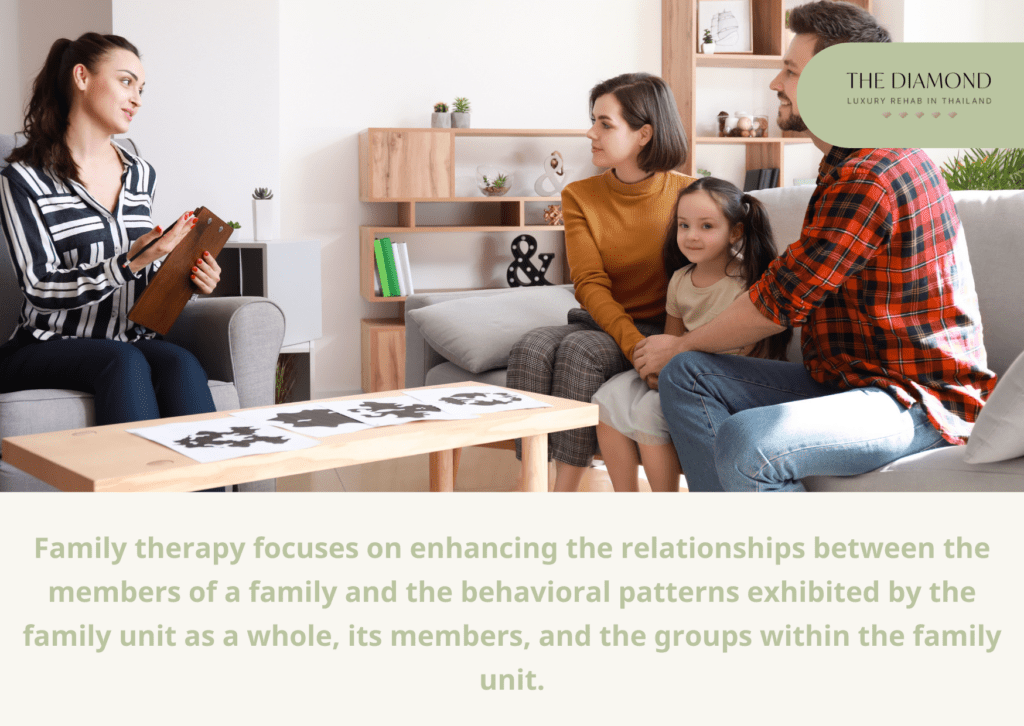
Family therapy focuses on enhancing the relationships between the members of a family and the behavioral patterns exhibited by the family unit as a whole, its members, and the groups within the family unit. Family therapy constitutes a multitude of treatment modalities derived from diverse theoretical principles.
There is a powerful link between addiction and family functioning. The family system plays a pivotal role both in triggering and/or maintaining addiction and in being a part of its possible solutions. Family therapy for addiction treatment is effective in treating individuals with substance use disorder, according to a 2012 article by Cynthia L. Rowe published in the Journal of Marital and Family Therapy, titled “Family Therapy for Drug Abuse: Review and Updates 2003–2010.”
The types of family therapy are listed below.
- Structural family therapy
- Strategic family therapy
1. Structural family therapy
Structural family therapy focuses on bringing about positive change by working with sub-systems, groups, boundaries, bonds, and hierarchies within families to examine the direct interactions between family members and induce them to identify and resolve the dysfunctional patterns of relating to one another. This therapy boosts treatment motivation and improves interpersonal dynamics in families with a member with addiction, according to a 2019 article by S. Raeis Gharedarvishloo et al., published in the journal Research on Addiction titled “Effectiveness of Structural Family Therapy on Therapy Motivation and Family Functioning in Families with Substance Abusers.”
2. Strategic family therapy
Strategic family therapy focuses on identifying and implementing interventions to resolve specific issues plaguing a family and produce a desired behavioral change in a family member instead of attempting to help the family gain insight into the root cause of their problems. It is a short-term therapy often used for children and adolescents with behavioral issues. Authors Horigian et al., in their 2015 article titled “The effects of Brief Strategic Family Therapy (BSFT) on parent substance use and the association between parent and adolescent substance use” published in the journal Addictive Behaviors note that brief strategic family therapy decreases alcohol use in parents and reduces the instance of substance use among adolescents in families where parents use drugs.
Experiential therapy
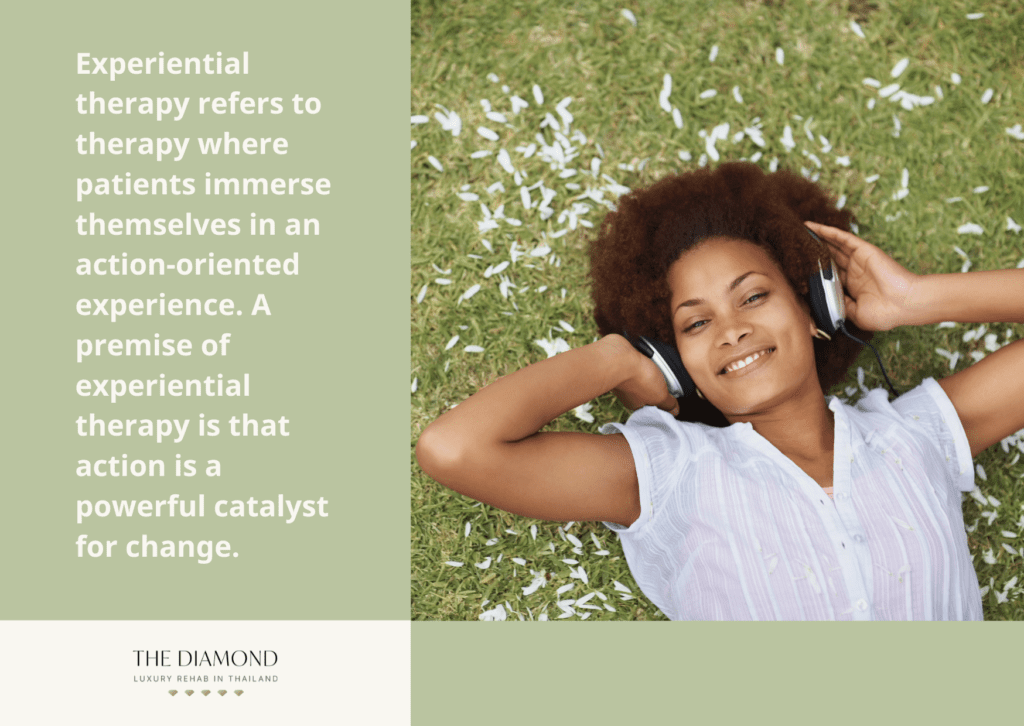
Experiential therapy refers to therapy where patients immerse themselves in an action-oriented experience. A premise of experiential therapy is that action is a powerful catalyst for change. Acting in a novel way moves a person out of a stagnant situation, makes them believe that change is possible, and consequently, primes them to think in a new way.
It is widely acknowledged that repressed emotions are strongly linked to developing and/or aggravating addictive behaviors. Creative self-expression, as encouraged by experiential therapy, allows patients in recovery to express their suppressed emotions in a safe and supportive environment. Experiential therapy is more approachable to individuals who are repulsed by the stigma and barriers associated with traditional residential inpatient treatment, according to this 2010 article by K. C. Russell and H. L. Gillis published in the Journal of Therapeutic Schools and Programs, titled “Experiential therapy in the mental health treatment of adolescents.”
The types of experiential therapy are listed below.
- Art therapy
- Music therapy
- Equine-assisted therapy
1. Art therapy
Art therapy refers to creating, appreciating, and taking part in art-centered activities to promote mental health and treat psychological disorders. The common techniques used in art therapy are drawing, doodling and scribbling, painting, finger painting, coloring, sculpting, working with clay, creating collages, and photography.
Art therapy has been used to treat addiction since the 1950s. According to this 2023 article by Kang et al., published in the journal PLOS One, titled “A pilot randomized clinical trial of biomedical link with mental health in art therapy intervention programs for alcohol use disorder: Changes in NK cells, addiction biomarkers, electroencephalography, and MMPI-2 profiles,” art therapy, when provided with traditional treatment, supports healing during recovery by creating an outlet for creative self-expression and opportunities for bonding with others in the therapy group. These developments alleviate depression and anxiety, encourage patients to open up and share their struggles, reflect on their inner turmoils, learn how to manage stressors and triggers, and enhance self-esteem.
2. Music therapy
Music therapy refers to engaging in collaborative music-centered activities with a qualified music therapist to promote mental health benefits, such as reducing anxiety and depression, evoking positive emotions like happiness and motivation, encouraging creative self-expression, and enhancing sleep quality. The common activities in music therapy include listening to, writing, or singing a song; moving to the beats of a musical piece; playing a musical instrument; and analyzing the lyrics of a song.
According to this 2020 article by T. Edison Carter and Lisa S. Panisch published in the International Journal of Mental Health and Addiction, titled “A Systematic Review of Music Therapy for Psychosocial Outcomes of Substance Use Clients,” music therapy has the potential to support addiction treatment by reducing symptoms of depression that tend to hamper abstinence efforts, as well as increasing motivation for seeking and inclination for making positive changes. However, there is a paucity of primary studies on the benefits of using music therapy for addiction treatment, and it is best considered as an adjunct treatment.
3. Equine-assisted therapy
Equine-assisted therapy is the practice of incorporating horses into the treatment process to bring about positive mental health benefits, such as increased self-confidence, greater emotional regulation, and an enhanced sense of responsibility and purpose. Patients undergoing therapy care for, feed, groom, and lead a horse under the supervision of a trained mental health professional. According to this 2020 article by Atherton et al., published in the International Journal of High Risk Behaviors and Addiction titled “Innovative Equine Facilitated Psychotherapy Intervention for Adolescent Addiction Treatment: A Pilot Study,” equine-assisted therapy supports addiction treatment by mitigating resistance to and disengagement with treatment.
Minnesota model
The Minnesota Model is an abstinence-based, comprehensive, multi-professional strategy for treating addiction that follows the 12-step philosophy of Alcoholics Anonymous. This modality of treatment recognizes addiction as a primary, chronic disease that requires ongoing, individualized care. The treatment is delivered in inpatient and outpatient settings by mental health care professionals and trained non-professional (recovering) staff.
The Minnesota Model produces favorable outcomes in patients who complete the treatment, according to this 2000 article by Winters et al., published in the journal Addiction, titled “The effectiveness of the Minnesota Model approach in the treatment of adolescent drug abusers.” Although developed in the 1950s, the Minnesota Model is still relevant and has evolved to include more evidence-based practices and non-secular terminology.
Holistic therapies
Holistic therapies focus on treating the “whole” person, which includes their physical, emotional, and social well-being. The common goals of these therapies are encouraging personal growth through self-expression and exploration of the inner world, and learning ways to cope with stressors and soothe the mind, body, and spirit.
Addiction is a multifactorial disease that demands comprehensive, multidisciplinary, and multi-sectoral collaborative treatment. The benefits of holistic therapy for addiction treatment stem from the fact it addresses the issues associated with a patient’s etiological, psychological, social, spiritual, and cultural identities that traditional treatment programs generally do not, according to a 2014 article by Adedoyin et al., published in the Journal of Human Behavior in the Social Environment, titled “Revisiting Holistic Interventions in Substance Abuse Treatment.”
The types of holistic therapies are listed below.
- Mindfulness-based stress reduction (MBSR)
- Yoga and meditation
- Acupuncture and massage
- Supportive psychotherapy
- Mindfulness therapy
1. Mindfulness-based stress reduction (MBSR)
Mindfulness-based stress reduction (MBSR) aims to teach individuals how to enhance mindfulness. Mindfulness is the ability to focus non-judgmentally on moment-to-moment physical, emotional, and cognitive experiences.
According to this 2009 article by Zayda Vallejo and Hortensia Amaro published in the journal The Humanistic Psychologist, titled “Adaptation of Mindfulness-Based Stress Reduction Program for Addiction Relapse Prevention,” mindfulness-based stress reduction (MBSR) has been successfully implemented to prevent relapses in early recovery. MBSR also reduces stress, a powerful trigger of relapses, as noted by Solomon et al., in their 2022 article titled “A randomised controlled trial of mindfulness-based stress reduction programme for substance abuse patients in deaddiction centre” published in the Indian Journal of Physiology and Pharmacology.
2. Yoga and meditation
Yoga and meditation are forms of mind-body practices. Yoga has components like physical postures or poses, breathing, personal discipline, social conduct, concentration, contemplation, meditation, and stillness. Meditation refers to the practice of directing attention to the sensations and experiences of the present moment in a relaxed and non-judgemental manner.
Yoga reduces cravings, increases the duration of abstinence, and enhances mood and quality of life in populations with diverse addictions, according to this 2018 article by Kuppili et al., published in the Journal of Neurosciences in Rural Practice, titled “Role of Yoga in Management of Substance-use Disorders: A Narrative Review.” Authors G. Alan Marlatt and Neharika Chawla in their 2007 article titled “Meditation and Alcohol Use” published in the Southern Medical Journal note that addiction treatment programs that incorporate some form of meditation reduce substance use, improve psychosocial functioning, and prolong abstinence by helping patients develop relapse prevention skills.
3. Acupuncture and massage
Acupuncture involves puncturing the skin with fine needles at targeted areas to correct the flow of the body’s vital energy, also called qi. It is believed that an unbalanced qi impairs the physical, emotional, and spiritual health of an individual. Massage involves manipulating the soft tissues of the body.
According to this 2024 article by the National Center for Complementary and Integrative Health titled “Acupuncture,” a part of the series “Psychological and Physical Approaches for Substance Use Disorders: What the Science Says,” acupuncture was shown to decrease alcohol cravings and reduce the severity of withdrawal symptoms as well as improve anxiety and depression levels in subjects. According to this 2005 article by Reader et al., published in the Journal of alternative and complementary medicine (New York, N.Y.), titled “Massage Therapy Improves the Management of Alcohol Withdrawal Syndrome,” massage therapy has shown promise as an adjunctive therapy to support alcohol detoxification. The American Massage Therapy Association in this article titled “Massage as an Alternative to Opioids” mentions that massage therapy helps manage the intense and debilitating pain associated with conditions like fibromyalgia, cancer, and arthritis as well as post-surgical pain and low-back pain. The therapy is a safe alternative to the opioid-containing and addictive painkillers.
4. Supportive psychotherapy
Supportive psychotherapy is a non-interpretative talking therapy to reduce emotional distress and manage the psychiatric symptoms that a patient is currently struggling with. It is an attempt to shore up the organizing defenses of the patients. It does not attempt to uncover a patient’s deep-seated traumas or change their personalities.
Supportive psychotherapy has not been researched extensively. However, John C. Markowitz in a 2022 article published in The American Journal of Psychotherapy, titled “Supportive Evidence: Brief Supportive Psychotherapy as Active Control and Clinical Intervention,” refers to a study that has reported moderate positive effects of brief supportive psychotherapy in reducing substance use in a group of patients with chronic depression and co-occurring alcohol use disorder.
5. Mindfulness therapy
Mindfulness therapy helps patients become more mindful or develop greater awareness of their present-moment thoughts, feelings, emotions, situations, and surroundings. Addiction is a cycle of compulsive substance use marked by dysregulation of the neuronal processes associated with motivation, pleasure-seeking behavior, and habitual action. Increased mindfulness helps individuals avert automatic and destructive responses to drug cues.
EMDR therapy
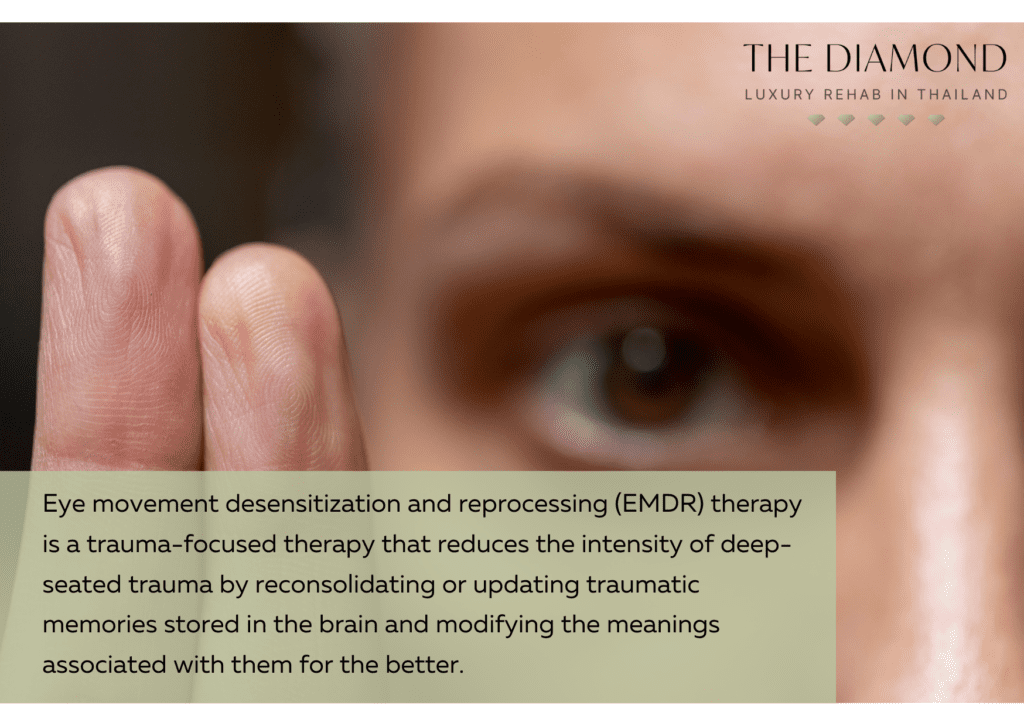
Eye movement desensitization and reprocessing (EMDR) therapy is a trauma-focused therapy that reduces the intensity of deep-seated trauma by reconsolidating or updating traumatic memories stored in the brain and modifying the meanings associated with them for the better. The therapy involves the bilateral movement of the eyes as patients focus on a particular memory and then shift their attention away from the memory.
Authors Wiebren Markus and Hellen K. Hornsveld in their 2017 article published in the Journal of EMDR Practice and Research, titled “EMDR Interventions in Addiction,” refer to studies that have shown the effectiveness of EMDR therapy in improving the symptoms of addiction in populations with co-occurring substance and/or behavioral addictions and post-traumatic stress disorder. The positive outcomes include decreased cravings and relapse rates, prolonged abstinence, and reduced symptoms of depression and anxiety.
Educational programs
Educational programs help individuals in recovery learn how to identify, anticipate, avoid, and/or manage addiction triggers; prevent relapse; and develop life skills that enable them to navigate the challenges of recovery without being overwhelmed and feeling compelled to resort to addictive behaviors. These programs support addiction treatment by reducing relapse rates and sustaining abstinence.
The types of educational programs are listed below.
- Relapse prevention programs
- Life skills training
1. Relapse prevention programs
Relapse prevention programs are designed to help individuals in recovery identify and manage environmental and internal triggers that compel them to resort to substances and/or addictive behaviors. The goals of relapse prevention are to prevent relapse and teach the patient how to manage one, if it happens, by reducing its severity.
These programs are effective in treating addiction, especially in the context of smoking, alcoholism, and polysubstance use disorders, according to this 2018 article by Jayakrishnan Menon and Arun Kandasamy published in the Indian Journal of Psychiatry, titled “Relapse prevention.” Relapse prevention programs are effective in individual and group environments and when delivered in inpatient and outpatient facilities.
2. Life skills training
Life skills training is grounded in the premise that a robust repertoire of interpersonal, emotional, and cognitive skills helps individuals adjust to and navigate the challenges faced during recovery without succumbing to stress, anxiety, and/or depression and feeling compelled to resort to addictive behaviors. These skills, also known as coping skills, allow individuals to tap into social and environmental supports that positively influence health and social behaviors. According to this 2023 article by Baha Amini and Karim Afsharineya titled “The effectiveness of life skills training on the psychological well-being of people with drug abuse” published in the Shenakht Journal of Psychology and Psychiatry, life skills training enhances self-control and decreases positive attitude toward substance misuse.
NAD therapy
NAD therapy refers to the administration of nicotinamide adenine dinucleotide (NAD)–via intravenous infusions, nasal sprays, injections, or oral supplements–to rejuvenate the body’s natural store. NAD depletes with age, chronic inflammation, and long-term substance abuse. NAD supports cell functionality, promotes cell energy metabolism, and stems or reduces the symptoms of certain age-related disorders.
According to this 2022 article by Blum et al., published in the journal Current Psychiatry Research and Reviews, titled “Nicotinamide Adenine Dinucleotide (NAD+) and Enkephalinase Inhibition (IV1114589NAD) Infusions Significantly Attenuate Psychiatric Burden Sequalae in Substance Use Disorder (SUD) in Fifty Cases,” NAD therapy is beneficial in treating substance use disorder. NAD therapy aids addiction treatment by reducing cravings, decreasing the frequency and severity of withdrawal symptoms, and increasing the vitality levels of the person going through the physical rigors of recovery.
Aftercare
Aftercare refers to ongoing treatment services provided to individuals after they have completed an intensive rehabilitation program. The goals of aftercare include supporting an individual during early recovery by teaching them healthy coping strategies to prevent relapse and sustain abstinence; helping them work toward their life’s goals; guiding them to find a sense of purpose; and teaching them to build meaningful relationships.
According to a 2021 article by James R. McKay published in the journal Alcohol Research: Current Reviews, titled “Impact of Continuing Care on Recovery From Substance Use Disorder,” research suggests that aftercare is generally effective for treating addiction in adolescents and adults, especially in individuals with severe forms of the disorder.
The types of aftercare care treatment are listed below.
- Outpatient counseling
- Support groups
1. Outpatient counseling
Outpatient counseling takes the form of individual or group therapy sessions that the patient is able to attend without staying at an inpatient facility. These sessions provide opportunities for them to extend the progress they had made during the initial rehab program to achieve sobriety. The goals of these sessions include helping patients develop relapse prevention plans, improve communication skills, find employment, and discuss ongoing therapy needs.
Outpatient counseling sessions that take place in a group setting create opportunities for receiving social support and motivation during the challenging period of early recovery. Outpatient counseling on a one-to-one basis allows therapists to focus on the unique needs of the patient and address, besides cravings, other challenging issues, such as co-occurring mental disorders, dysfunctional family dynamics, unhealthy interpersonal relationships, and low self-esteem, which are known to derail recovery.
2. Support groups
Aftercare support groups are peer-led self-help groups where individuals in recovery form positive relationships with people with lived experiences of addiction and recovery, share struggles and experiences, find accountability partners in their journey of abstinence, learn healthy coping strategies, and make positive changes. These groups operate on the premise that a community built on healthy relationships and social networks that provide support, friendship, inspiration, and love is a major dimension of recovery.
According to this publication by the National Institute on Drug Abuse titled “Principles of Drug Addiction Treatment: A Research-Based Guide (Third Edition)” that was last revised in January 2018, these groups are helpful during recovery because they incorporate an element of community-level social support.
Sober living houses
Sober living houses (SLHs), grounded in an abstinence-based philosophy, are alcohol- and drug-free residences for individuals in recovery. These places do not provide professional addiction recovery services like treatment or counseling. However, attendance at 12-step programs is either mandated or strongly encouraged.
SLHs have been shown to reduce substance use, decrease the severity of psychiatric symptoms that tend to aggravate addictive behaviors, and increase employment among residents, according to a 2023 article by Subbaraman et al., in the Journal of Studies on Alcohol and Drugs, titled “Multilevel Effects of Environmental and Neighborhood Factors on Sober Living House Resident 12-Month Outcomes.”
Peer support programs
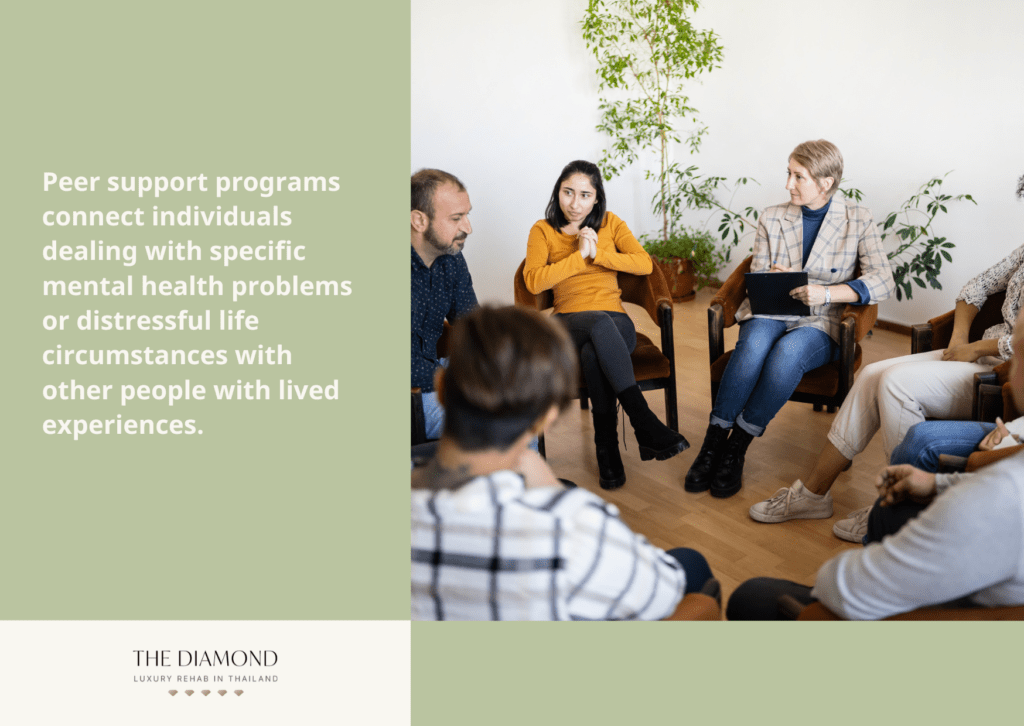
Peer support programs connect individuals dealing with specific mental health problems or distressful life circumstances with other people with lived experiences. The latter are peers who have experienced the struggles themselves or family members who have witnessed and supported their loved ones who have gone through similar challenges. Besides being positive role models, peers offer emotional support, teach essential life skills and healthy coping strategies, provide practical help to navigate daily chores, and connect patients with resources, supportive communities, and opportunities to heal and thrive.
According to this 2016 article by Kathlene Tracy and Samantha P. Wallace published in the journal Substance Abuse and Rehabilitation, titled “Benefits of peer support groups in the treatment of addiction,” peer support programs benefit addiction treatment by increasing treatment retention, reducing relapse rates, increasing self-esteem and life satisfaction, and enhancing the quality of interpersonal relationships.
The types of peer support programs used in addiction treatment are listed below.
- 12-step programs
- Recovery coaching
- Sober companionship
1. 12-step programs
The 12-step program, developed in 1938 and first used by Alcoholics Anonymous, is a set of 12 guiding principles to help individuals overcome addiction and achieve and sustain sobriety. The program is based on the premise that individuals in recovery should accept addiction as a chronic disease that is arrestable but never eliminated, and work toward achieving personal maturity and spiritual growth, reducing self-absorption, and helping others on the same path with their stories and actionable advice. According to this 2013 article by Donovan et al., published in the journal Social Work in Public Health, titled “12-Step Interventions and Mutual Support Programs for Substance Use Disorders: An Overview,” the 12-step methodology has been found to be effective in sustaining abstinence, often for as long as 16 years; increasing self-sufficiency; and improving psychosocial functioning among individuals in recovery.
2. Recovery coaching
Recovery coaching offers strength-based support to people seeking or in recovery. The coaching is delivered by a peer recovery coach who has lived experience of recovery. They help the patients by walking by their side and training, assisting, and supervising them as they initiate and/or maintain recovery and attempt to enhance the quality of interpersonal relationships. According to a 2022 article by Kyung Im Kang and Chan Mi Kang in the journal Asian Nursing Research, titled “Roles and Effects of Peer Recovery Coach Intervention in the Field of Substance Abuse: An Integrative Literature Review,” peer recovery coaching supports addiction treatment by reducing substance use, enhancing treatment compliance, improving quality of life, and enabling greater self-efficiency and stress management.
3. Sober companionship
Sober companionship refers to assistance provided by individuals in recovery to a person with addiction who is attempting to get or stay sober. Sober companions act as mentors, guides, and accountability buddies and help people in recovery make and sustain lifestyle choices that aid relapse prevention or reduce the harms associated with addictive behaviors. Many sober companions stay with an individual after the latter completes an inpatient treatment program to help them adjust to the challenges of a life outside the safe and substance-free environs of rehab.