The Diamond Rehab Thailand is one of the leading gambling addiction rehabilitation centers in Thailand.
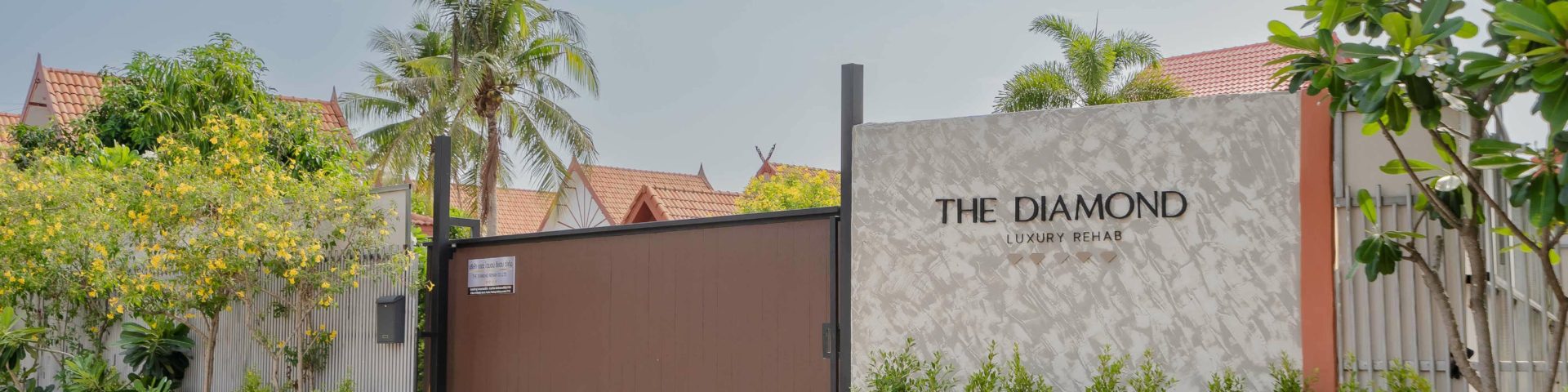
Our world-class gambling addiction treatment provides you with the support, resources and professional insight you need to overcome your addiction and bring balance to your life.
Our fully qualified gambling addiction rehab experts will be there every step of the way as you embark on your recovery journey. You’ll graduate from our inpatient gambling rehab program with a deep awareness of the psychological and social factors surrounding your gambling addiction and a comprehensive relapse prevention plan focused on long-term recovery.
If your gambling has developed from harmless fun to compulsive behavior, The Diamond Rehab Thailand is here to help. Give us a call today to learn more about the admissions process or continue reading to find out how our gambling rehab center can help you regain control.
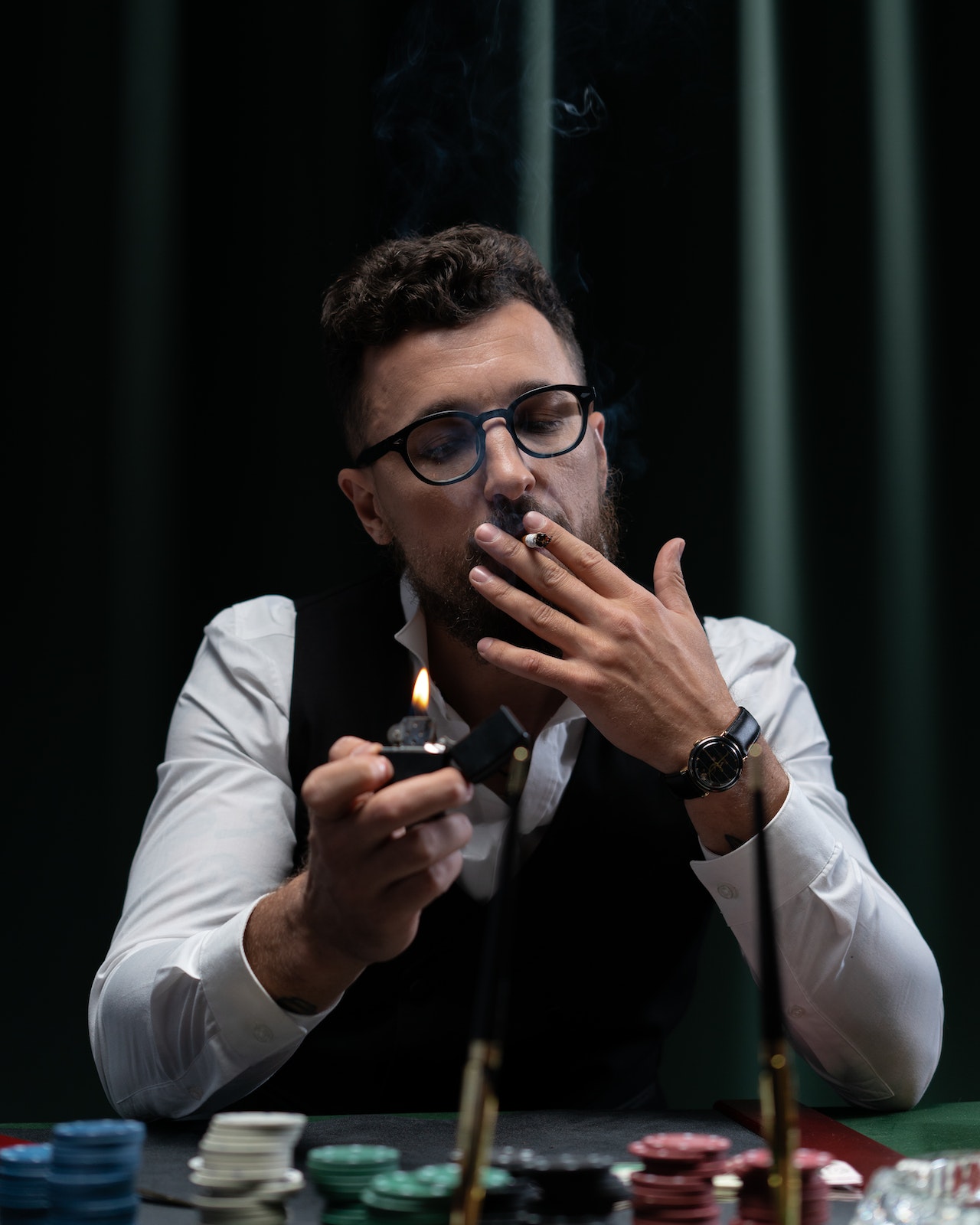
Successfully overcoming a gambling addiction is hard work. To make the process as comfortable as possible, we offer a luxurious environment that looks and feels more like a high-end resort than a sterile gambling addiction rehabilitation center.
Our gambling addiction treatment center is located in a peaceful part of Hua Hin, a tropical island located off the west coast of southern Thailand. Here, we’ve created a beautiful sanctuary that is completely free of the triggers and stressors of daily life. Our state-of-the-art treatment center provides everything you need for effective recovery, including five-star treatment facilities, luxury private accommodation options, a wellness spa, a swimming pool and so much more.
The Diamond Rehab Thailand is an inpatient gambling rehab facility, which means you’ll live onsite while undergoing treatment. Inpatient treatment for gambling addiction is generally regarded as more effective than outpatient methods as it isolates you from the distractions of everyday life, eliminating the risk of relapse and allowing you to fully focus on your treatment. During inpatient gambling rehab, our therapeutic team will provide you with round-the-clock care and keep a close eye on your progress as you advance through your tailor-made recovery program.
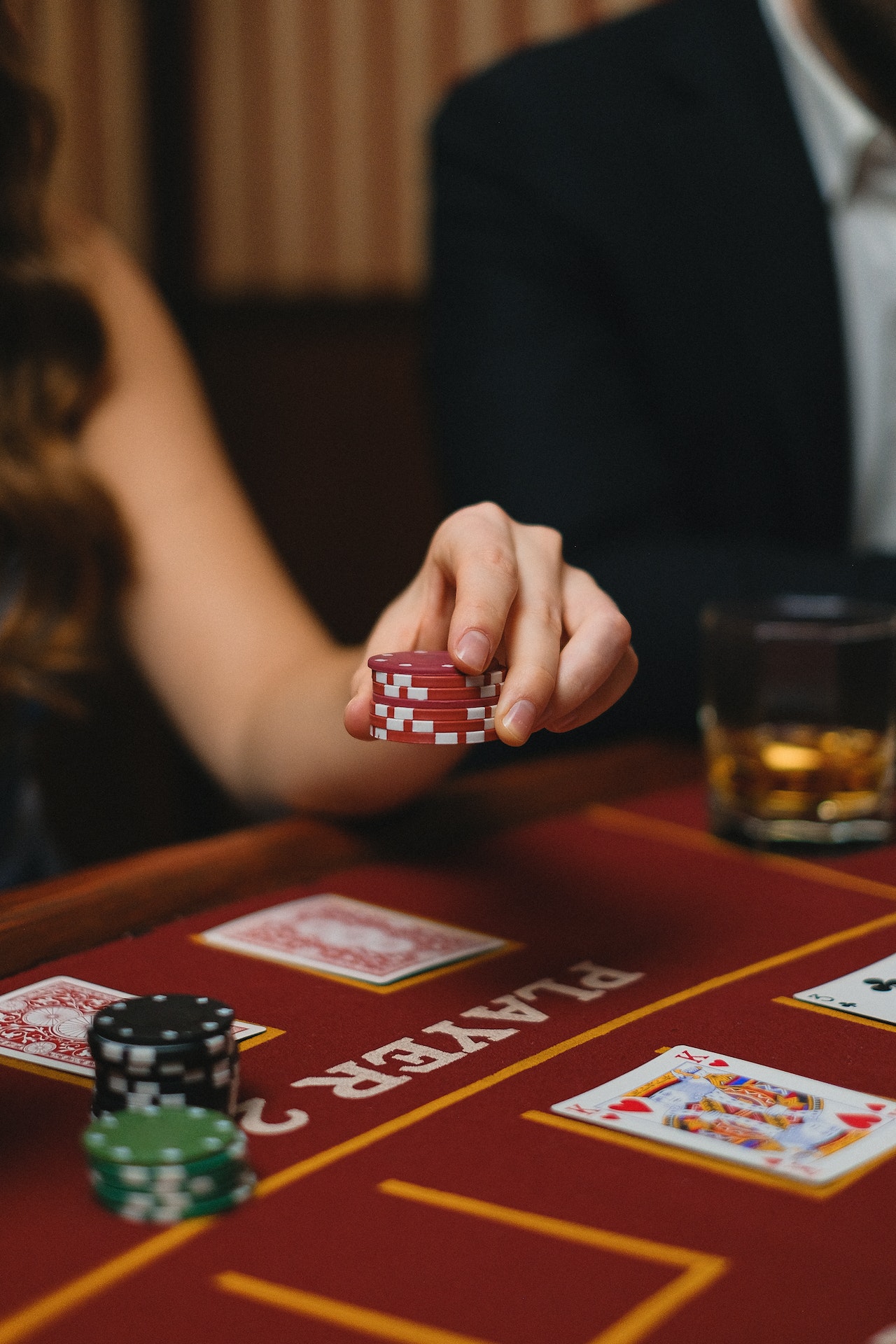
Here at The Diamond Rehab Thailand, we’re firm believers that holistic rehab for gambling addicts offers the best results. We incorporate a range of evidence-based behavior therapy methods into our gamblers rehab program, with the aim of healing every aspect of a person’s health.
Cognitive behavioral therapy (CBT) plays a key role in rehab for gamblers. CBT is a form of structured psychotherapeutic treatment that encourages you to consider your thought patterns, emotions and behavior.
During your time at our gambling addiction treatment center, you’ll engage in regular CBT sessions led by Western-trained behavioral health therapists who have extensive experience in the use of CBT for gambling addiction treatment. You’ll hone your ability to recognize cognitive distortions, learn how to identify and deconstruct dysfunctional behavior and develop healthy problem-solving skills for coping with stressful situations.
We created our gambling rehab facilities with the aim of providing a highly personalised level of care to each and every one of our clients.
Unlike some of the larger gambling addiction rehab centers in Thailand, we only allow a maximum of 15 clients at any one time. This intimate environment fosters a sense of trust and community, making it easy for you to develop a strong connection with your counsellors and the other people you’ll meet while undergoing gambling addiction treatment.
Maintaining a low staff to client ratio allows our gambling addiction rehab team to give you their full attention and ensure you’re receiving the highest level of care and support throughout your stay at our gambling rehab center.
Gambling addiction is a form of behavioural addiction that affects millions of people around the world. Whereas most people treat gambling as a fun, harmless activity, people with a gambling disorder feel an uncontrollable urge to gamble continuously, even when they are aware that their behaviour is having a negative impact on their life.
Gambling can have a profound effect on the brain’s reward system. The rush of euphoria that accompanies a win is caused by the sudden release of dopamine, a neurotransmitter that plays an important role in your emotional responses. Over time, this can produce long-lasting changes to your reward pathways, which makes it very difficult to stop gambling without professional treatment for gambling addiction.
While gambling addiction is sometimes viewed as a less serious problem than drug or alcohol addiction, the truth is that pathologic gambling can be just as harmful to your health and wellbeing as substance abuse.
Identifying the signs and symptoms of pathologic gambling is the first step in the recovery process. Unfortunately, for people who gamble, the line between casual and compulsive gambling isn’t always clear; as a result, many people who would benefit from entering a gambling rehab center do not seek the help they need.
The main difference between recreational gamblers and gambling addicts is that the former are usually able to stick to a loss limit, while the latter feel an overwhelming urge to gamble, regardless of whether they are winning or losing. However, there are a number of other signs to be aware of:
It is important to note that this is not an exhaustive list. Gambling disorders affect everyone differently, but the bottom line is that if you’re worried about your gambling, there is help available.
Our gambling addiction treatment team has extensive experience across the whole spectrum of gambling disorders and can help you put a stop to compulsive gambling once and for all.
Gambling addiction is common among people who have a co-occurring mental health issue, such as depression or anxiety, or a substance abuse disorder. Without expert intervention, it can be very difficult to treat co-occurring disorders because the symptoms of one disorder will often contribute to the other, leading to a continuous cycle of addiction.
As one of Thailand’s leading rehab centers for gambling addiction, we understand there are many complex factors that may lead to an individual developing problems with gambling. Our clinical team will work with you to help you uncover any underlying mental health issues that may be contributing to your addiction and guide you through an integrated treatment plan that is carefully designed to heal both disorders simultaneously. Holistic gambling addiction treatment that considers every aspect of the individual offers the best chance of long-term recovery.
Mindfulness meditation forms an important part of our inpatient gambling rehab program. Contemporary psychology suggests that mindfulness – the mental state achieved by focusing your awareness on the present moment – may be valuable for managing the cravings and impulsivity associated with gambling addiction.
During your stay at our gambling addiction rehab center, you’ll have the opportunity to participate in guided mindfulness meditation sessions, where you’ll learn how to process thoughts and emotions in a constructive and sustainable way.
Physical activity nourishes the mind and body. People who have gambling addictions often neglect their physical health, which can impact a person’s mental health, sleep quality and overall well being.
At our rehab for gambling addiction, we offer a wide range of exercise therapy options, including running, swimming, boxing, cycling, weightlifting and more. Wherever your passion lies, our highly experienced personal trainers will guide you through a structured training programme tailored to your fitness level and show you how to integrate exercise into your daily life when you leave our rehab for gambling addicts.
The Diamond Rehab Thailand is an excellent option for anyone seeking gambling addiction treatment in Thailand. With luxury accommodation options, world-class medical facilities and a team of addiction experts devoted to your recovery, our rehab center for gambling addiction provides everything you need to make a life-changing transformation.
Overcoming a gambling addiction is difficult, but we want to reassure you that it is possible. You’ll leave our rehabilitation center for gambling addiction with a sharpened set of personal skills, relapse prevention techniques and advanced coping strategies – everything you need to live a fulfilling life free from compulsive behavior and harmful thought processes.
Ready to make a change? We’re here to help. Contact us today to speak with one of our addiction experts and learn more about your treatment options.
Everything you want know
At The Diamond Rehab Thailand we are experts in getting your loved ones into treatment. To start you can show your loved one our website and they will probably soon take an interest in our treatment center. If need be, we also can arrange an intervention at your home done by a professional interventionist arranged by The Diamond Rehab Thailand.
The process may differ, as programs are customised based on what the patient needs as well as the severity of the addiction or mental illness, but the goal of rehabilitation is always to ensure the individual’s well-being. Most treatment programs include: evaluation, detox or the clearing of alcohol and other drugs out of your system, psychological treatments, education sessions, and supportive services. When you transition into outpatient therapy, you may still have one-on-one or group therapy sessions and to some patients, these may last for the rest of their lives.
This depends on the situation. E.g. does the client need a detox? Is addiction the main problem or are the underlying issues more concerning? It is important that the client finish what he/she signed up for. Overall, we advise that 6 -8 weeks in treatment is average and gives the client a good foundation to start a new life at home with the proper aftercare.
Thailand is one of the safest countries in the World. Thailand has also one of the best medical care systems in the World with excellent private hospitals.

Schedule free assessment
Concerned about yourself or your loved one?
Schedule a free assessment with our experts.