

13 Medicines that may cause hallucinations


Table of content
- 1. Antidepressants
- 2. Antipsychotics
- 3. Muscle relaxants
- 4. High blood pressure medications
- 5. Antibiotics
- 6. Anti-seizure medications (anticonvulsants)
- 7. Sleep medications (hypnotic drugs)
- 8. Parkinson’s medications
- 9. Antihistamines
- 10. Pain medications
- 11. Corticosteroids
- 12. Benzodiazepines
- 13. Ecstasy
- How often do medicines cause hallucinations?
- What medicines cause hallucinations most often?
- What should I do if I hallucinate while taking medication?
- Can you develop an addiction from overusing medicines that may cause hallucinations?
Hallucinations from medication refer to sensory perceptions produced by prescribed or nonprescribed drugs without external stimuli. Such reactions involve false sensory experiences, such as visual imagery, arising from drug effects on brain signaling.
Medicines that may cause hallucinations include antidepressants, antipsychotics, muscle relaxants, high blood pressure medications, antibiotics, anti-seizure medications (anticonvulsants), sleep medications (hypnotic drugs), Parkinson’s medications, antihistamines, pain medications, corticosteroids, benzodiazepines and ecstasy.
1. Antidepressants
Antidepressants are prescription medications used to regulate mood through targeted effects on brain neurotransmitters involved in depression. Clinicians prescribe antidepressants to reduce persistent sadness, anxiety symptoms or mood instability during depressive disorders.
Certain antidepressants linked to hallucinations include bupropion, venlafaxine, sertraline, fluoxetine, paroxetine and older tricyclic agents such as amitriptyline. Higher doses increase stimulation or disruption of sensory processing, leading to distorted perception or false sensory input.
Overstimulation of dopamine or serotonin pathways intensifies confusion, agitation or visual misinterpretation. Sleep disruption and anxiety worsen under excessive dosing, raising susceptibility to perceptual disturbances.
Hallucination is an uncommon reaction among antidepressant users under standard medical guidance. Most patients experience mood-related or physical side effects rather than sensory distortion.
2. Antipsychotics
Antipsychotics are designed to manage psychotic disorders by regulating dopamine and related neurotransmitter activity. Clinical use focuses on reducing delusions, hallucinations and disorganized thinking to improve functional stability.
Agents linked with rare hallucination reports include risperidone, quetiapine, olanzapine, clozapine and haloperidol. Higher doses intensify neurotransmitter suppression, increasing sensory misinterpretation and cognitive slowing. Dose escalation places additional strain on neural processing, sometimes resulting in paradoxical perceptual disturbances despite therapeutic intent.
Hallucination is not considered an expected outcome of antipsychotic treatment. Most users encounter effects related to sedation, metabolic change or motor regulation instead of perceptual disturbance. Reports of hallucinations usually suggest atypical response, interaction concerns or dosing imbalance associated with antipsychotic medications.
3. Muscle relaxants

Muscle relaxants are medications prescribed to reduce involuntary muscle tightening and pain associated with muscle spasms. The drugs aim to calm nerve activity that causes stiffness or limited movement following injury or neurological irritation.
Muscle relaxants linked to hallucinations include cyclobenzaprine, baclofen, tizanidine and orphenadrine. Excessive consumption results in individuals experiencing disorientation and difficulty maintaining clear awareness during daily tasks.
A 2020 paper by Riaz et al., “Short-Term Use of Baclofen Leading to Delirium in a Patient With End Stage Renal Disease Receiving Hemodialysis,” described the case of a 60-year-old male with end-stage renal disease (ESRD) who ingested three 10 mg baclofen tablets, totaling 30 mg, for pain management and developed acute altered mental status within hours.
Symptoms included visual hallucinations, confusion, agitation and decreased alertness despite dosing well below the 200 mg daily level associated with toxicity among individuals with normal renal function.
Clinical findings highlighted renal clearance of baclofen at approximately 85%, with a typical half-life of 4.5 to 6.8 hours extending markedly during kidney failure, resulting in drug buildup. Low-dose exposure poses significant risk because baclofen crosses the blood–brain barrier, suppresses central nervous system activity and disrupts neurological reflexes.
Combining a muscle relaxer with alcohol or sedatives further increases strain on perception and coordination, raising the likelihood of unsafe reactions. Hallucination is not considered a common side effect during standard therapeutic use of muscle relaxants.
4. High blood pressure medications

High blood pressure medications are prescription drugs designed to lower arterial pressure by influencing vascular tone, cardiac output or fluid balance. Treatment plans rely on long-term use to limit stroke risk and vascular complications.
Hallucinations have been reported with certain agents, including propranolol and metoprolol among beta-blockers, as well as captopril, lisinopril and quinapril within ACE inhibitors. Elevated doses increase penetration into the central nervous system, changing how sensory information is processed.
A 2012 report by Jonathan A. Goldner titled “Metoprolol-induced visual hallucinations: a case series” described three patients receiving metoprolol who reported seeing imaginary figures, animals or shifting objects, particularly at night and shortly after waking up, leading to fear or confusion.
The author argued metoprolol and related beta-blockers enter the brain due to moderate fat solubility, disrupting neural signaling and sleep-related hormones, while additional factors such as hormonal fluctuations likely contribute to visual disturbances.
Hallucination is not a typical reaction linked to blood pressure therapy. Most prescribing decisions weigh cardiovascular benefit against tolerability, with neurological effects remaining rare.
5. Antibiotics

Antibiotics are medications used to eliminate or suppress bacterial infections by interfering with microbial growth or survival. Such drugs influence chemical activity across multiple body systems, extending effects beyond infection control.
Reports of hallucinations have involved antibiotics such as ciprofloxacin, levofloxacin, clarithromycin, metronidazole and isoniazid. Individuals exposed to excessive amounts experience confusion and vivid imagery during ordinary activities.
A 2024 study by Althubyani et al., titled “Antibiotic-induced neuropsychiatric toxicity: epidemiology, mechanisms and management strategies – a narrative literature review” revealed antibiotic-related neurological or psychiatric effects usually appear within 72 hours of treatment initiation, sometimes after a single dose, and typically resolve after stopping therapy. However, rare cases persist, such as prolonged symptoms linked to metronidazole.
Reported effects range from anxiety or headaches to severe reactions such as mania, psychosis, seizures or suicidal ideation and occur through oral, intravenous or topical use.
Underlying mechanisms remain uncertain, yet current evidence points toward multiple interacting pathways. One prominent factor involves disruption of gut bacterial balance, reducing production of chemicals influencing mood regulation and brain activity.
Hallucination remains an uncommon response during appropriate antibiotic therapy. Rare cases involve sensitivity, kidney impairment, drug interactions or underlying neurological vulnerability. Documented psychotic reactions prompt dose adjustment or medication changes.
6. Anti-seizure medications (anticonvulsants)

Anti-seizure medications (anticonvulsants) are prescription drugs formulated to stabilize abnormal electrical activity within the brain and reduce seizure frequency. Anticonvulsants are prescribed for epilepsy management and additional neurological conditions involving excessive neuronal firing.
Medications associated with hallucinations include levetiracetam, topiramate, phenytoin and zonisamide. Higher doses place strain on neural regulation by upsetting signal balance and information processing across multiple brain regions.
Results of a 2024 study by Tao et al., called “Levetiracetam induces severe psychiatric symptoms in people with epilepsy” found among 1,412 epilepsy patients receiving levetiracetam for longer than one month, 111 (7.8%) experienced severe psychiatric or behavioral disturbances interfering with self-care and requiring specialized intervention.
Reported symptoms included hallucinations, primarily visual with occasional auditory or olfactory features, persecutory delusions leading to refusal of food or medication and irritability marked by impatience or anger.
Hallucinations remain an infrequent outcome during appropriately managed anticonvulsant therapy. Risk increases under rapid dose escalation, interaction with additional medications or preexisting neurologic vulnerability.
Episodes grouped under anticonvulsant-induced psychiatric symptoms usually prompt careful reassessment and adjustment, not abandonment of therapy.
7. Sleep medications (hypnotic drugs)
Sleep medications (hypnotic drugs) are prescribed substances designed to encourage sleep by calming brain activity and reducing wakefulness. Such drugs help manage sleep disorders by producing feelings of drowsiness and mental quieting.
Examples linked to hallucinations include zolpidem, eszopiclone, zaleplon, temazepam and triazolam, with several belonging to the nonbenzodiazepine class commonly known as z-drugs. Higher doses interfere with normal brain coordination, leading to fragmented awareness and difficulty distinguishing internal thoughts from external surroundings.
A 2019 case report titled “Visual Hallucinations from Zolpidem Use for the Treatment of Hospital Insomnia in a Septuagenarian” authored by Raza Mian detailed a hospitalized man in his 70s receiving cancer-related back pain treatment who experienced vivid visual hallucinations of cats on the wall after a single 5 mg dose of zolpidem for sleep problems. The episode occurred the following morning with transient confusion, resolved with calming techniques, and did not recur after discontinuation of zolpidem.
Hallucinations are common with sedative-hypnotics, particularly z-drugs such as zolpidem and eszopiclone, because these agents affect brain systems unevenly. Certain regions controlling movement and automatic behavior stay active while higher-level awareness and reality checking become suppressed, creating a split state of consciousness.
Such imbalance allows dream-like activity to spill into wakefulness, producing unusual behaviors and perceptual distortions, including hallucinations.
8. Parkinson’s medications
Parkinson’s medications are drugs prescribed to support movement by influencing brain signaling involved in motor control. Such agents ease stiffness, tremor and slowed motion by modifying neurotransmitter activity connected to coordination and muscle regulation.
Medications associated with hallucinations include levodopa, dopamine agonists such as pramipexole or ropinirole, anticholinergics like trihexyphenidyl and monoamine oxidase type B (MAO-B) inhibitors including selegiline. Dose escalation disrupts cortical processing, sometimes resulting in vivid visual experiences alongside impaired judgment and sleep disturbance.
Neurotransmitters regulate perception and interpretation, and Parkinson’s disease involves chemical imbalances contributing to hallucinations, as noted in a 2020 review article by Rimona Weil and Suzanne Reeves titled “Hallucinations in Parkinson’s disease: new insights into mechanisms and treatments.”
Dopamine, which is already low in Parkinson’s and boosted by treatments, worsens perceptual errors within specific brain regions. The paper additionally highlighted additional disruption involving serotonin, acetylcholine and gamma-aminobutyric acid (GABA,) each influencing visual processing, attention and neural inhibition. Combined imbalance alters sensory integration across structures such as the visual cortex and thalamus, producing vivid, lifelike experiences.
Hallucination is a common side effect among people using Parkinson’s medications, particularly as treatment intensity increases or disease progresses. Frequency rises with advancing age, longer disease duration, combined drug regimens or rapid dose escalation.
9. Antihistamines

Antihistamines are medications designed to reduce allergic reactions by limiting histamine activity within the body. Antihistamines influence not just allergy symptoms but alertness and brain activity as well, especially among formulations affecting the central nervous system.
Agents associated with hallucinations include diphenhydramine, promethazine, hydroxyzine and chlorpheniramine. Higher doses disrupt normal brain signaling by overwhelming regulatory pathways responsible for perception and thought organization. Excess intake leads to confusion, agitation, disorientation or impaired judgment interfering with safe behavior.
Hallucinations represent an uncommon outcome among people using antihistamines as directed. Episodes indicate misuse, dosing mistakes or unexpected central nervous system reactions instead of intended therapeutic effects.
10. Pain medications

Pain medications are therapeutic drugs prescribed to reduce discomfort arising from injury, surgery or chronic medical conditions. Painkillers span several classes and influence both physical sensation and brain-based interpretation of pain.
Pain medications associated with hallucinations include morphine, oxycodone, fentanyl, tramadol and certain non-opioid agents, with opioids and opioid painkillers most often implicated. Higher doses disrupt normal brain regulation by intensifying neural activity linked to perception and awareness.
A 2024 paper by Dhanabalan et al., “Opioid-Induced Hallucinations: A Case Report,” described a 67-year-old African American male with multiple comorbidities who developed auditory and visual hallucinations shortly after starting Norco at doses up to four tablets daily for back pain, with symptoms intensifying during higher intake.
Experiences included belittling voices perceived as background noise, visual images of small objects such as worms on the ceiling and paranoid thoughts involving a sense of being followed. Symptom severity increased alongside dose escalation within prescribed limits and fully resolved after the patient stopped Norco.
Hallucinations are not a common side effect among individuals using pain medications appropriately. Appearance of such symptoms leads clinicians to reassess dosing levels, medication selection or overall pain-control plans.
11. Corticosteroids

Corticosteroids are anti-inflammatory medications prescribed to suppress immune activity and manage conditions involving swelling or autoimmune dysfunction. Physicians rely on steroids to control severe inflammation affecting organs, joints or respiratory pathways.
Corticosteroids linked to hallucinations include prednisone, dexamethasone, methylprednisolone and hydrocortisone. Increased exposure disturbs neurotransmitter balance and emotional regulation, leading to unstable thinking and altered mental clarity.
As per a March 2025 study by Canessa-Muñoz et al., titled “Corticosteroid-Induced Psychosis: A Report of Two Cases and Review of the Literature” reported psychiatric side effects in 6–72% of patients exposed to corticosteroids, with prevalence varying according to inclusion of mild mood changes or severe reactions. Manifestations include affective disturbances in roughly 75% of cases, psychotic features in 24% and cognitive impairment affecting about 1%.
Hallucinations are considered a relatively common reaction among people using corticosteroids, particularly during intensive or extended therapy. Incidence tends to rise as steroid exposure affects brain chemistry, especially in individuals sensitive to steroid-related neuropsychiatric effects.
According to a 2020 paper by Grace Huynh and Justin P. Reinert titled “Pharmacological Management of Steroid-Induced Psychosis: A Review of Patient Cases,” steroid-induced psychosis is classified as a substance-induced psychotic disorder under the Diagnostic and Statistical Manual of Mental Disorders, Fifth Edition (DSM-5).
Patients experience delusions or hallucinations soon after initiating steroid therapy, with symptoms unrelated to alternative conditions or substances and severe enough to disrupt daily functioning.
12. Benzodiazepines

Benzodiazepines are prescription sedatives acting on the central nervous system by strengthening inhibitory signals that calm excessive brain activity. Benzos influence emotional regulation, sleep patterns, muscle relaxation and seizure thresholds through broad neurological effects.
Benzodiazepines linked to hallucinations include diazepam, lorazepam, alprazolam, clonazepam and midazolam. Increased exposure intensifies suppression of normal brain coordination, leading to disrupted thought flow and altered interpretation of surroundings.
Hallucinations are considered an uncommon adverse effect among individuals using benzodiazepines as prescribed. Reported cases usually involve overdose, rapid titration, withdrawal states or interaction with substances affecting brain function.
13. Ecstasy
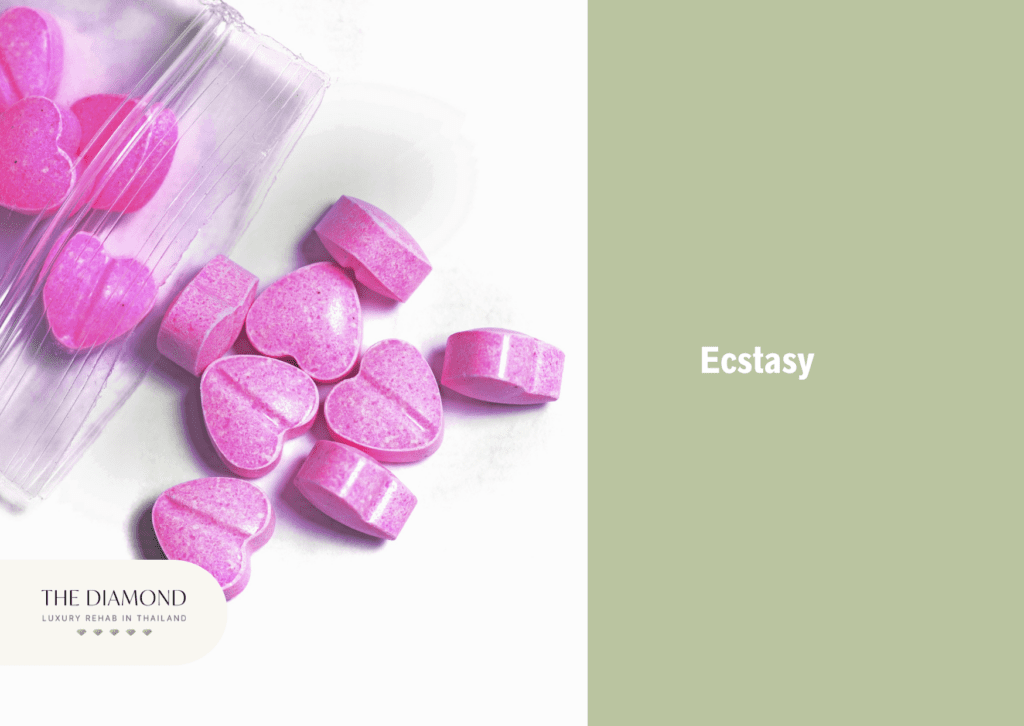
Ecstasy is a psychoactive substance commonly known as MDMA, recognized for combined stimulant and mind-altering effects. Use produces heightened energy, elevated mood, increased sociability and intensified sensory awareness through strong neurotransmitter release.
Forms associated with ecstasy include MDMA powder, crystalline Molly and pressed tablets sold under various street names. Larger amounts overwhelm serotonin, dopamine and norepinephrine systems, pushing brain activity beyond stable regulation. Users experience distorted visual input, confusion, panic, overheating, dehydration or severe mental agitation during such states.
Hallucinations are not considered a primary or consistent effect of ecstasy use. Most experiences center on mood elevation and sensory enhancement rather than fully formed false perceptions.
Hallucinations more often appear in connection with adulterated products or intense neurochemical stress, raising concern for acute toxicity and lasting neurological harm.
How often do medicines cause hallucinations?

Medicines rarely cause hallucinations across general patient populations. Frequency varies widely depending on drug class, dosage level, individual sensitivity and interaction with existing medical conditions.
Certain medications affecting brain chemistry carry a higher likelihood than drugs acting only on peripheral systems. Older adults face increased susceptibility due to slower metabolism and greater medication burden. Combination therapy raises risk because overlapping effects amplify central nervous system stress.
Numerous reported cases fall under the category of medication-induced reactions linked to dosing errors or rapid changes in treatment. A single hallucination often prompts clinicians to review timing, interactions and patient history as opposed to concluding long-term harm.
What medicines cause hallucinations most often?
Dopamine agonists, Parkinson’s medications, sedative-hypnotics and corticosteroids are the medicines that cause hallucinations most often. Dopamine agonists directly stimulate dopamine pathways in the brain, and excess activity in those circuits is closely linked to hallucinations.
Anti-Parkinsonian drugs frequently affect multiple neurotransmitters at once, making thought processing and reality interpretation less stable. Sedative-hypnotics affect consciousness and sleep–wake boundaries, allowing dream-like experiences to intrude into waking states. Corticosteroids affect hormone balance and brain chemistry, especially systems involved in mood regulation and stress response.
Higher exposure or rapid changes intensify these brain effects, increasing vulnerability to false perceptions. Older age, underlying neurologic illness and concurrent medications further heighten sensitivity to such reactions.
What should I do if I hallucinate while taking medication?
If you hallucinate while taking medication, take the experience seriously and pause to assess safety and surroundings. Reach out promptly and contact your doctor to report symptoms, timing and any recent dose changes.
Avoid making changes alone and do not suddenly stop taking the medicine without medical guidance due to potential withdrawal or rebound effects. A clinician is likely to recommend adjustments or temporary monitoring based on risk level.
In numerous cases, guidance includes whether to continue taking the medication as prescribed until a clear plan is set. Keep a brief record of episodes, noting triggers, duration and accompanying symptoms to support accurate evaluation.
Can you develop an addiction from overusing medicines that may cause hallucinations?
Yes, you can develop an addiction from overusing medicines that may cause hallucinations, especially when use extends beyond medical guidance. Drugs affecting dopamine, sedation or mood regulation alter brain reward systems, increasing reinforcement with continued exposure.
Constant misuse shifts motivation from symptom control toward seeking altered mental states or relief from distress. Tolerance is likely to form, leading to escalating amounts to achieve the same effect.
In such cases, behavior begins to resemble hallucinogens addiction, even if the substance was originally prescribed. Psychological dependence becomes more likely once use centers on perception changes. Physical dependence follows with drugs altering neurotransmitter balance.
Not every person experiences addiction, yet vulnerability increases with frequent misuse, lack of supervision or co-occurring substance issues.