
Ativan addiction: definition, causes, risk factors, symptoms, treatments and prevention


Table of content
- Is Ativan addictive?
- What is Ativan addiction?
- What are the causes of Ativan addiction?
- What are the risk factors for Ativan addiction?
- Why is using Ativan addictive?
- What are the symptoms of Ativan addiction?
- What are the dangers of Ativan addiction?
- What are the available treatments for Ativan addiction?
- How is Ativan addiction prevented?
Ativan addiction is a condition marked by compulsive use of lorazepam—marketed under the brand name Ativan—despite medical risk and declining control. Dependence develops as brain chemistry adapts to regular benzodiazepine exposure, driving tolerance and withdrawal symptoms.
The causes of Ativan addiction are genetic predisposition, mental health conditions, inappropriate prescribing and tolerance development.
The risk factors for Ativan addiction include easy access, environmental influences, stressful life circumstances and polysubstance abuse.
The symptoms of Ativan addiction include tolerance, cognitive slowing, dizziness, headaches, mood swings, slowed reflexes, difficulty stopping and withdrawal symptoms after missed doses.
Treatment options for Ativan addiction include medical detox, clinician-guided tapering, cognitive behavioral therapy (CBT), inpatient or outpatient programs and support groups.
Prevention of Ativan addiction is achieved through cautious prescribing, clear education around short-term use and selection of the lowest effective dose with a defined end point. Ongoing follow-ups, early risk screening and emphasis on nonmedication strategies reduce reliance on pills while allowing for safe use practices.
Is Ativan addictive?
Yes, Ativan is addictive under certain patterns of use. Lorazepam alters brain signaling tied to calm and inhibition, creating reinforcement with repeated dosing. Risk rises with higher doses, extended duration or nonmedical misuse.
Dependence develops as neural adaptation reduces response, prompting escalating amounts for similar effect. Stopping abruptly triggers uncomfortable withdrawal symptoms. Medical guidance limits exposure through short courses and careful taper plans.
Use outside prescriptions increases harm through impaired judgment and slowed coordination. Clear education and monitoring lower risk while preserving legitimate therapeutic benefit.
What is Ativan addiction?
Ativan addiction describes a pattern of compulsive lorazepam use despite growing harm to health and functioning. Regular dosing trains brain receptors to rely on chemical calming, leaving users accustomed to artificial balance.
Tolerance rises as calming impact fades, encouraging higher amounts or closer spacing of doses. Sudden cessation brings withdrawal symptoms to persons addicted to Ativan. Classification falls under the broader category of benzodiazepine addiction because Ativan belongs to the benzodiazepine drug class and acts through identical neural pathways.
Prescribed use carries value for short-term anxiety care, yet addicting potential appears when users stop observing boundaries.
What is the other term for Ativan addiction?
The other terms for Ativan addiction are benzodiazepine use disorder, benzodiazepine dependence or the diagnosable condition recognized in the Diagnostic and Statistical Manual of Mental Disorders, Fifth Edition (DSM-5) as sedative, hypnotic, or anxiolytic use disorder.
Medical professionals rely on such language to classify compulsive benzodiazepine use involving tolerance, craving and impaired control. Ativan functions as a brand name for lorazepam, placing misuse within an established sedative drug category.
Informal circles use slang references like benzos, goofballs, stupefy or heavenly blues, language often minimizing perceived seriousness. Casual wording sometimes normalizes Ativan misuse and blurs awareness around escalating dosage patterns.
How common is Ativan addiction?
Statistics on Ativan addiction remain limited. According to a publication titled “Key Substance Use and Mental Health Indicators in the United States: Results from the 2024 National Survey on Drug Use and Health” published by the Substance Abuse and Mental Health Services Administration (SAMHSA) in July 2025, estimates from 2024 put past-year misuse of prescription tranquilizers or sedatives at about 1.6 percent among people aged 12 and older, representing roughly 4.6 million individuals.
Adolescent misuse reached close to 0.7 percent, or around 172,000 people, while adults aged 26 and above showed rates near 1.7 percent, totaling about 3.8 million individuals. The category covers benzodiazepine tranquilizers such as lorazepam.
Misuse describes use outside medical guidance, such as higher doses or use without a prescription. Addiction involves loss of control and continued use despite harm, marking a more severe condition, although risk rises alongside duration and dose. Prevalence figures for Ativan specifically remain unclear because surveys aggregate lorazepam with similar sedatives.
What is the difference between Ativan dependence and addiction?
The difference between Ativan dependence and addiction is rooted in control, behavior and clinical severity. Dependence describes a physical adaptation following regular lorazepam exposure, leading body systems to expect continued presence of the drug.
Once dependence develops, abrupt dose reduction triggers withdrawal reactions. Addiction extends past physical response and includes psychological compulsion tied to craving and loss of control.
A person facing addiction continues use despite harm, while dependence alone does not always involve compulsive behavior. Clinical discussions frame addiction within substance use disorder criteria, while drug dependence describes biological adjustment rather than behavior patterns. Both conditions involve risk, yet addiction reflects deeper disruption affecting judgment, priorities and daily functioning.
What are the causes of Ativan addiction?
Causes of Ativan addiction refer to contributing factors driving a shift from prescribed Ativan intake toward harmful and uncontrolled patterns. The causes of Ativan addiction are listed below.
- Genetic predisposition: Inherited traits influence brain response to benzodiazepines such as Ativan. Family history of substance disorders often signals heightened sensitivity to calming drug effects. Neurochemical reward pathways react more strongly under genetic influence, reinforcing repeated dosing. Such biological vulnerability increases likelihood of progressing beyond intended medical boundaries.
- Mental health conditions: Persistent anxiety disorders or panic-related diagnoses increase reliance on medications like lorazepam during episodes. A 2023 paper by Meyer et al., “Benzodiazepine use, quality of life and psychiatric symptom burden in oral and injectable opioid agonist treatment: a cross-sectional study,” revealed individuals with lifetime, prolonged or current benzodiazepine (BZD) use reported markedly lower overall quality-of-life (QoL) scores than people without similar exposure. Links between BZD use and reduced QoL appear largely explained by co-occurring depression and psychiatric symptoms, aligning with a self-medication model involving untreated mental health concerns.
- Inappropriate prescribing: Extended prescribing periods without frequent reassessment place patients under prolonged medication influence beyond short-term need. High initial dose levels reduce caution around drug strength and foster rapid physiological adjustment. Absence of structured taper plans leaves individuals relying on continued access for stability. Gaps in clinical oversight weaken separation between appropriate treatment and harmful behavior.
- Tolerance development: Regular Ativan usage gradually lowers response at dose levels previously considered effective, a process known as drug tolerance. Reduced benefit pushes individuals toward higher amounts in pursuit of the same outcome. Brain receptor adjustment strengthens physical reliance on medication presence.
How does someone get addicted to Ativan?
Someone gets addicted to Ativan through patterns involving excessive doses, frequent intake within short intervals or continuation for longer than medically advised. Utilization involving excessive doses places strong pressure on brain systems regulating calm and self-restraint.
Frequent dosing compresses recovery time between pills, reinforcing reliance on chemical balance. Treatment continuing outside recommended limits drives adaptation within nerve receptors involved in anxiety regulation.
As tolerance builds, original amounts provide diminished results, encouraging escalation for perceived benefit. Psychological attachment grows as medication becomes primary coping support during distress. Withdrawal symptoms following missed doses reinforce repeated consumption and discourage stopping.
What are the risk factors for Ativan addiction?
Risk factors for Ativan addiction refer to personal and environmental influences increasing the likelihood of developing dependency on the medication. The risk factors for Ativan addiction are listed below.
- Easy access: Ready availability through repeat prescriptions lowers barriers around the drug. People with ready access tend to experiment with higher amounts or prolonged schedules without medical oversight. Familiarity with supply weakens caution around frequency and quantity as well.
- Environmental influences: Environmental influences serve as key risk factors for addiction, as high-pressure work settings or unstable home life heighten the appeal of Ativan for managing tension. Social settings tolerating frequent medication use normalize the habit as an acceptable form of coping. Lack of supportive structure limits alternative stress management strategies.
- Stressful life circumstances: Chronic pressure or personal loss heightens the demand for rapid symptom suppression. Sedative effects provide instant relaxation, encouraging continual use during high-stress periods. According to a 2023 study by Soyka et al., titled “Long-term use of benzodiazepines in chronic insomnia: a European perspective,” BZD misuse usually occurs among healthcare professionals (HCPs), a group prone to sleep disturbances from work-related stress. Dependence on BZDs impair cognition and hinder job performance, yet fear of legal consequences and stigma often prevents HCPs from seeking medical assistance.
- Polysubstance abuse: Concurrent use of alcohol, opioids or other sedatives magnifies Ativan’s impact on the nervous system. Interactions between substances intensify sedation and mask the warning signs of dependency. Using multiple drugs compounds challenges in controlling usage and recognizing detrimental routines.
Why is using Ativan addictive?
Using Ativan is addictive because it enhances gamma-aminobutyric acid (GABA) activity, slowing nerve signals across key brain regions. Heightened inhibition creates pleasure by easing mental pressure and sensory overload.
Brain reward system activation links drug presence with positive reinforcement, strengthening desire for persistent intake. Escalation follows as users seek restoration of prior benefit, raising vulnerability for dependency.
Addictive risk grows even more as Ativan becomes tied to daily functioning and emotional regulation instead of short-term symptom support. Psychological comfort linked to availability increases anxiety around absence, pushing affected people to engage in drug-seeking behavior. Numerous individuals notice progression only after becoming addicted to lorazepam and struggling to regain control without medical guidance.
How addictive is Ativan?
Ativan carries a reputation as a highly addictive benzodiazepine due to strong influence on brain inhibitory signaling. Taking the medication even at prescribed doses leads to tolerance, meaning larger amounts become necessary to achieve the same calming sensation.
GABA modulation delivers rapid mood stabilization, encouraging return for similar mental states. Short onset reinforces habit formation by pairing medication intake with immediate benefit. Substantial risk emerges as nonmedical patterns increase danger through impaired judgment and loss of restraint. Prior substance history or anxiety disorders amplify vulnerability under benzodiazepine treatment.
What are the symptoms of Ativan addiction?
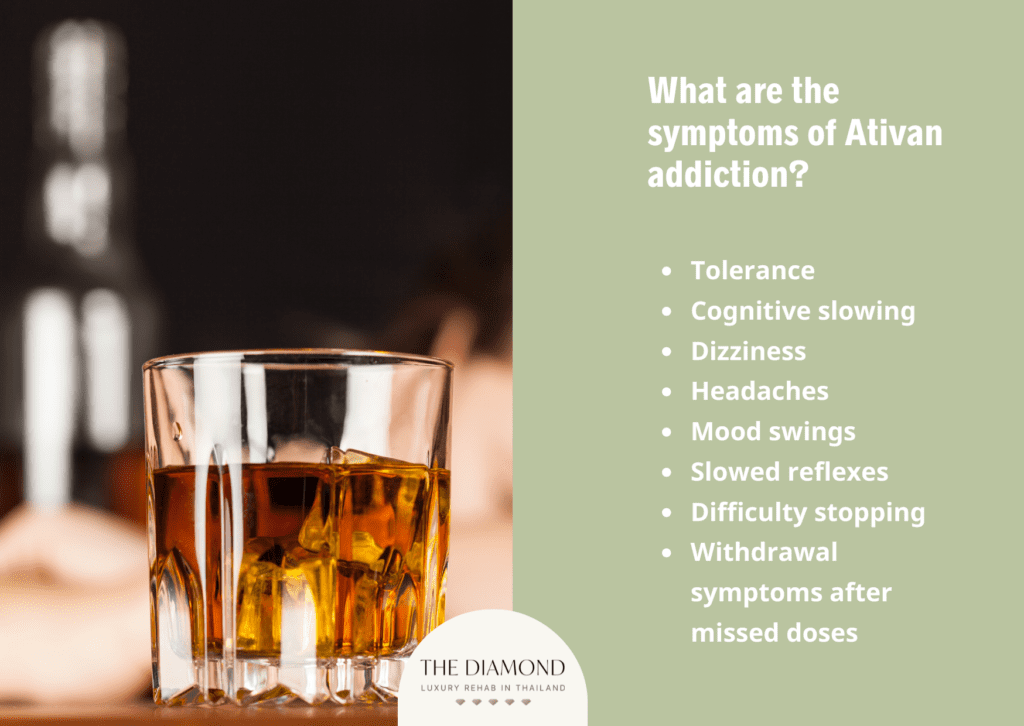
Symptoms of Ativan addiction describe a range of signs indicating loss of control surrounding Ativan consumption. The symptoms of Ativan addiction are listed below.
- Tolerance: Tolerance develops as the body gets used to the presence of Ativan in the system. Dose amounts once producing noticeable change begin delivering weaker results despite consistency. Individuals respond by increasing quantity or shortening intervals between doses. Physiological adjustment places increasing strain on neural regulation mechanisms.
- Cognitive slowing: Cognitive slowing presents through reduced mental speed and diminished clarity during complex tasks. Processing information requires added effort, especially during problem-solving or sustained focus. Memory performance weakens as attention becomes fragmented. Daily functioning declines as mental sharpness fades across work and personal responsibilities.
- Dizziness: Balance disturbances emerge, creating unsteadiness during movement. Sudden position changes intensify sensations of lightheadedness. Coordination becomes less reliable during walking or standing transitions. Persistent imbalance increases risk of falls and physical injury.
- Headaches: Headaches occur due to altered nervous system signaling influenced by benzodiazepine action. Pain episodes vary in intensity yet recur with continued medication patterns. A 2025 case report authored by Song et al., “Lorazepam-Induced Orthostatic Hypotension and Secondary Headache in a Low Blood Pressure Phenotype,” detailed a 30-year-old man with lifelong low blood pressure who experienced adverse effects shortly after beginning lorazepam treatment. Evening headaches appeared linked to orthostatic blood pressure drops that reduced cerebral blood flow, leading to pain and blurred vision later in the day. Such headaches represented a secondary response to the medication’s influence on an already low blood pressure profile.
- Mood swings: Mood swings occur as emotional regulation becomes increasingly medication-dependent. Shifts between irritability, sadness or agitation appear without clear situational cause. Emotional responses lose consistency and proportionality. Interpersonal strain follows due to unpredictable reactions.
- Slowed reflexes: Slowed reflexes reduce reaction speed during both physical and cognitive tasks. Reaction speed decreases during tasks requiring coordination or quick judgment. Findings of a 2015 study by Pomara et al., called “Adverse performance effects of acute lorazepam administration in elderly long-term users: pharmacokinetic and clinical predictors” indicated lorazepam produced clear psychomotor slowing compared with placebo, peaking within roughly 1 to 2.5 hours after the dose. Impairment in the dominant hand appeared early and largely resolved within about five hours, while the non-dominant hand showed a similar trajectory. Performance involving both hands declined more consistently but with milder overall impact. Higher single doses intensified slowing across each hand.
- Difficulty stopping: Efforts to reduce or pause usage provoke significant discomfort in affected individuals. Intentions to cut back frequently collapse under internal pressure. Control weakens despite awareness of mounting consequences. Continued use persists against personal intention.
- Withdrawal symptoms after missed doses: Physical and mental distress appears following skipped doses, producing uncomfortable sensations. Mental distress strengthens the urgency to resume dosing, with relief arriving rapidly once the user gives in to the temptation. Fear of withdrawal becomes a primary driver of ongoing behavior.
How do I know if I’m addicted to Ativan?
You may suspect Ativan addiction if attempts to reduce or stop lead to significant discomfort or distress. Needing progressively higher amounts to achieve the desired soothing outcome signals tolerance. Strong mental focus on keeping the medication available for comfort, focus or confidence raises additional concern.
Attempts to cut back bring anxiety or fear about functioning without the drug. Withdrawal symptoms after missed doses strongly indicate the body has adapted to continued presence of the drug.
Physical changes such as slowed thinking, impaired coordination or ongoing dizziness raise additional red flags. Continued use despite personal concern or negative consequences solidifies the possibility of addiction.
When do Ativan addiction symptoms usually occur?
Ativan addiction symptoms usually occur within the first several weeks or months after treatment begins and patterns start shaping brain response and behavior. Early signs appear subtly, particularly when the body starts adjusting to regular exposure and expects the drug’s effects.
Symptoms commonly appear between scheduled doses, especially as sedating properties fade. Missed or delayed doses frequently trigger withdrawal symptoms, drawing attention to emerging dependence.
As physiological adaptation strengthens, discomfort becomes more noticeable and harder to dismiss. Longer treatment duration increases the chance of symptoms appearing earlier and lingering longer.
How is Ativan addiction diagnosed?
Ativan addiction is diagnosed through a comprehensive clinical evaluation combining history, symptoms and functional impact. Clinicians review prescription duration, changes in amounts taken and difficulty stopping without focusing on isolated episodes.
Physical indicators such as tolerance and withdrawal are assessed alongside psychological markers, including cravings. Structured interviews explore continued usage despite harm and disruption across work or personal relationships.
Since lorazepam acts as a sedative, the Diagnostic and Statistical Manual of Mental Disorders, Fifth Edition (DSM-5) criteria for Sedative, Hypnotic, or Anxiolytic Use Disorder provide the primary diagnostic framework.
Physical examination looks for slowed reflexes, unsteady gait, slurred speech or persistent dizziness. Urine or blood testing confirms benzodiazepine presence, yet clinical judgment weighs pattern and behavior.
What are the dangers of Ativan addiction?
The dangers of Ativan addiction include cognitive impairment, difficulty concentrating, excessive sedation, loss of consciousness, respiratory distress and seizures. Cognitive impairment disrupts memory formation and decision quality, raising mistake risk at work or school.
Difficulty concentrating reduces attention control and slows mental processing, leaving routine tasks harder to complete safely. Excessive sedation dulls awareness and coordination, increasing fall risk while worsening harm from alcohol or opioid co-use.
Loss of consciousness signals severe central nervous system (CNS) depression and often precedes life-threatening overdose emergencies. Respiratory distress develops as breathing slows or turns shallow, limiting oxygen delivery and stressing cardiovascular function.
Seizures sometimes arise during sudden dose reduction or dangerous drug interactions, driven by rebound brain hyperactivity after sustained benzodiazepine intake.
How does Ativan addiction impact mental health?
Ativan addiction impacts mental health by reshaping anxiety control and mood regulation in ways that often backfire. Short-term symptom quieting trains the brain to depend on medication for comfort, leaving baseline anxiety higher without it.
As patterns drift into misuse, anxious thinking rebounds more intensely between doses, creating a cycle of fear and urgent drug-seeking. Mood drops as brain reward signaling becomes dulled, leading to low drive, hopelessness or persistent sadness.
Such changes affect relationships, motivation and self-confidence, especially once mental energy becomes consumed by managing symptoms.
What are the available treatments for Ativan addiction?
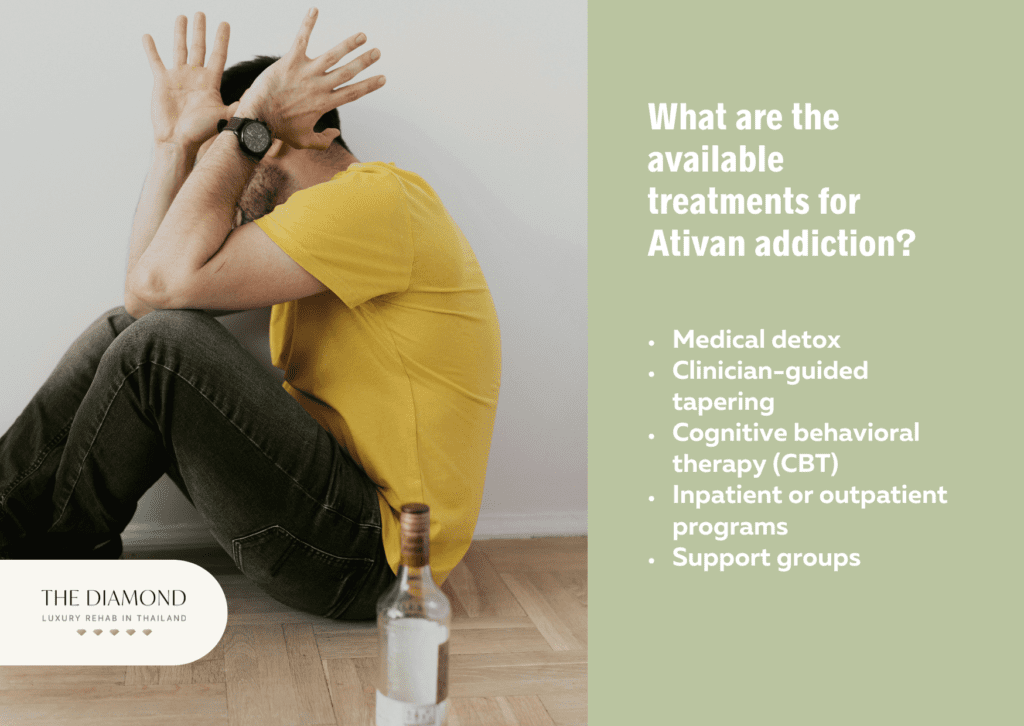
Available treatments for Ativan addiction refer to medical and therapeutic approaches used to address harmful dependence on Ativan and restore safe functioning. The available treatments for Ativan addiction are listed below.
- Medical detox: Medical detox provides supervised stabilization for patients facing severe benzodiazepine dependence. Clinicians track vital signs and neurological status to prevent dangerous complications during early withdrawal phases. Symptom-focused medications and supportive care reduce medical emergencies tied to abrupt dose interruption. Patients benefit from constant supervision, ensuring early intervention if severe symptoms arise.
- Clinician-guided tapering: Clinician-guided tapering lowers dose levels in planned steps to protect brain and nervous system function. Schedules are tailored to individual tolerance, duration of use and overall health, allowing the nervous system to adapt slowly. A 2022 study by Reid Finlayson et al., titled “Experiences with benzodiazepine use, tapering, and discontinuation: an Internet survey” revealed symptoms linked to benzodiazepine use, tapering or discontinuation are diverse, including anxiety, insomnia, nervousness and uncontrollable anger. The course of tapering or stopping benzodiazepines is often unpredictable, with various patients experiencing prolonged and severe effects. In certain cases, symptoms persist for years after the medication has been fully discontinued.
- Cognitive behavioral therapy (CBT): Cognitive behavioral therapy builds practical skills for handling triggers driving Ativan misuse. Behavioral plans strengthen coping routines through realistic goal setting and skill practice. A 2020 paper by Nakajima et al., “Cognitive Behavioral Therapy Reduces Benzodiazepine Anxiolytics Use in Japanese Patients with Mood and Anxiety Disorders: A Retrospective Observational Study,” found CBT led patients to reduce daily BZD anxiolytics use by roughly 15%, from about 6 milligrams (mg) to 4 mg, with effects lasting three months. A third of participants halved their dose or more, producing significant health benefits. No similar reductions occurred during the waiting period, highlighting CBT’s role in boosting confidence to taper. Findings suggest CBT equips patients with strategies such as confronting fears gradually and challenging anxious thoughts to manage symptoms with lower medication reliance.
- Inpatient or outpatient programs: Inpatient programs provide intensive care within a controlled environment that removes access to unmonitored medication supply. Outpatient programs offer flexibility while maintaining professional oversight, allowing integration of recovery into daily life. Level of care selection matches severity, safety needs and home support quality.
- Support groups: Support groups create peer accountability and reduce isolation common during recovery from Ativan addiction. Group meetings provide shared strategies for managing cravings and maintaining commitment through setbacks. Hearing similar experiences improves motivation and strengthens confidence in recovery goals. Regular attendance adds a steady support layer in conjunction to clinical appointments.
When should you seek treatment for Ativan addiction?
You should seek treatment for Ativan addiction as soon as early warning signs appear, before harms stack up across health, work and relationships. Difficulty sticking to prescribed doses or schedule signals growing loss of control.
Strong cravings, preoccupation with keeping pills nearby or anxiety about running out suggest an unhealthy attachment. Missed doses leading to withdrawal symptoms point to physical dependence needing clinical help.
Memory lapses and slowed thinking raise safety risks behind the wheel or around machinery. Mixing Ativan with alcohol, opioids or sleep aids increases overdose danger through deep CNS suppression. Conflicts at home or secretive behavior indicate medication use has begun steering daily choices.
Can I recover from Ativan addiction without rehab?
Yes, it is possible to recover from Ativan addiction without entering a formal rehab program, but doing so requires careful planning, strong support and professional guidance. A clinician-guided taper remains central, since abrupt stopping raises seizure risk.
Regular check-ins with a prescriber help adjust dose steps based on physical warning signs. Therapy such as CBT builds coping skills and reduces triggers tied to pill taking. Outpatient programs add structure through scheduled sessions, monitoring and coordinated care without an overnight stay.
Support from family, friends or peer groups improves follow-through during difficult stretches. Home-based recovery becomes unsafe amid severe withdrawal symptoms, polysubstance use, prior overdose events or unstable living conditions, and inpatient care offers a protected setting.
Can Ativan addiction be treated without medication?
No, Ativan addiction cannot be treated without medication. Safe care usually requires a medically supervised taper using Ativan or a similar benzodiazepine. Physiological dependence and withdrawal risks make supervised medical management essential.
The brain and body adjust to regular Ativan exposure, and abrupt cessation without tapering triggers severe withdrawal symptoms. Clinicians adjust taper pace based on symptoms and vital signs, keeping each step controlled and predictable.
Behavioral therapies alone, such as cognitive behavioral techniques, help manage triggers and cravings but cannot safely replace medical supervision during dose reduction. Within lorazepam addiction treatment, medication tapering pairs with counseling to steady nervous system function while healthier routines take hold.
How is Ativan addiction prevented?
Ativan addiction is prevented through cautious prescribing paired with clear patient education about short-term use limits. Clinicians reduce risk by choosing the lowest effective dose and setting a defined stop date at the start of treatment.
Regular follow-ups check symptom control, dose changes and day-to-day functioning before habits become deeply entrenched. Nonmedication options such as lifestyle adjustments reduce dependence on pills for anxiety management.
Screening for prior substance history and current alcohol use helps identify higher-risk patients early. Secure storage and controlled refills limit diversion within households. Patients benefit from taking medication just as directed by a healthcare provider and avoiding self-directed increases.
Can offering alternative therapies prevent the need for Ativan use?
Yes, offering alternative therapies can prevent the need for Ativan use. Approaches such as psychotherapy, stress-reduction training and sleep-focused interventions target root causes driving anxiety.
Additionally, numerous individuals respond well to natural alternatives like mindfulness practices, breathing exercises or structured lifestyle changes. A 2024 paper by Antos et al., “Beyond Pharmacology: A Narrative Review of Alternative Therapies for Anxiety Disorders,” examined a wide range of alternative approaches for anxiety disorders, including physical activity such as yoga, mindfulness-based programs, virtual reality tools, biofeedback, herbal options and several neurostimulation or somatic techniques.
Among approaches reviewed, mindfulness-based interventions and eye movement desensitization and reprocessing (EMDR) therapy showed promise as standalone options for anxiety management. Other approaches function best as supportive additions to established care, with physical movement and virtual reality frequently paired with CBT frameworks.
For generalized anxiety disorder, mindfulness-based stress reduction appears more effective early in symptom reduction compared with CBT, supporting combined application. Physical activity, including aerobic exercise and yoga, demonstrates strong symptom reduction ranging from 30 to 70%, with benefits lasting up to six months.
Herbal approaches offer modest relief between 20 and 40 percent, accompanied by variability and safety considerations. Techniques such as cryotherapy, hyperbaric oxygen therapy, vagus nerve stimulation, 3,4-methylenedioxymethamphetamine (MDMA)-assisted therapy, electroconvulsive therapy and EMDR show preliminary effectiveness for specific conditions like PTSD, though further research remains necessary.
Can healthcare providers limit Ativan prescriptions to prevent addiction?
Yes, healthcare providers can limit Ativan prescriptions to prevent addiction. Short-term prescribing reduces prolonged exposure and lowers the chance of physiological dependence forming.
Regular reassessment allows clinicians to evaluate symptom improvement and determine whether continued medication remains necessary. Clear prescribing boundaries discourage dose escalation without medical review.
Providers typically prioritize non-drug therapies for anxiety or sleep concerns before renewing sedative prescriptions. Patient education about tolerance, withdrawal risks and safe use supports informed decision-making.
Prescription policies tend to vary depending on location, healthcare system or regulatory standards. Despite such differences, the bottom line remains consistent across settings. Limiting exposure through judicious prescribing practices and ongoing oversight significantly reduces addiction risk while maintaining patient safety.