

Shabu drugs: definition, statistics, use, addiction signs, side effects and treatment


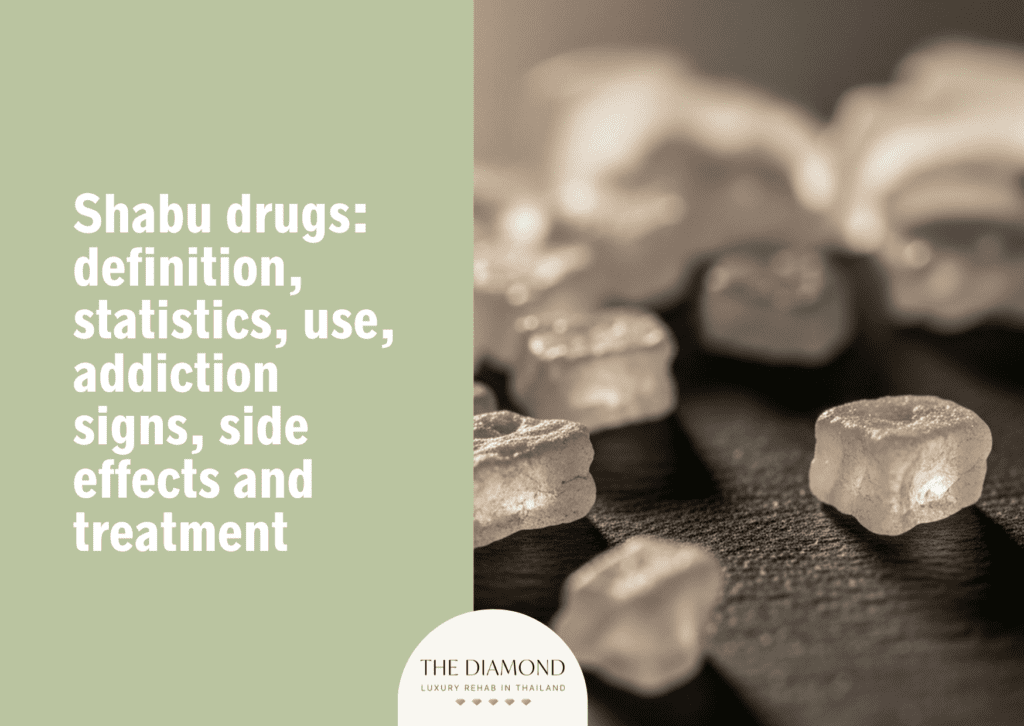
Shabu drugs refer to methamphetamine hydrochloride in crystalline form, a powerful illicit stimulant. The substance produces intense nervous system stimulation along with significant health risks.
The statistics on shabu use describe a widespread pattern, with an estimated 24 million individuals using methamphetamine worldwide, according to a 2022 report from Edinoff et al., titled “Methamphetamine Use: A Narrative Review of Adverse Effects and Related Toxicities.”
The use of shabu drugs involves multiple intake methods, including snorting, smoking, injecting or swallowing. The lab-made, synthetic composition of shabu enables production in different forms, with the crystalline version being the most widely encountered.
The signs of shabu addiction include confusion, difficulty concentrating, inability to experience pleasure without the drug, staying awake for extended periods, strong cravings for meth, repeated attempts to quit without success, failing to meet obligations at school, work or home and continuing to use despite relationship problems.
The side effects of shabu are categorized into short- and long-term, with short-term side effects involving heightened alertness, irregular heartbeat, elevated body temperature, suppressed appetite, agitation and jaw clenching and teeth grinding.
The long-term side effects of shabu include stimulant addiction, altered brain structure and function, delusions, violent behavior, repetitive behaviors, chronic anxiety and visual and auditory hallucinations.
The treatment options for shabu addiction are cognitive behavioral therapy (CBT), medications, motivational interviewing (MI), inpatient programs, outpatient programs, peer support groups, aftercare and lifestyle changes.
What are shabu drugs?
Shabu drugs refer to a stimulant known as a street name for crystal meth linked to powerful bursts of energy followed by harsh crashes. Production typically relies on improvised mixtures, creating unpredictable chemical strength.
Users consume the substance by smoking, injecting or inhaling, producing intense euphoria and bursts of energy. Countries using the term include the Philippines, Japan, Thailand, Malaysia and Indonesia.
Heavy circulation in those nations fuels public concern tied to safety, health and crime. Shabu in the Philippines gained notoriety due to long-standing distribution through underground trade.
What are the street names for shabu?
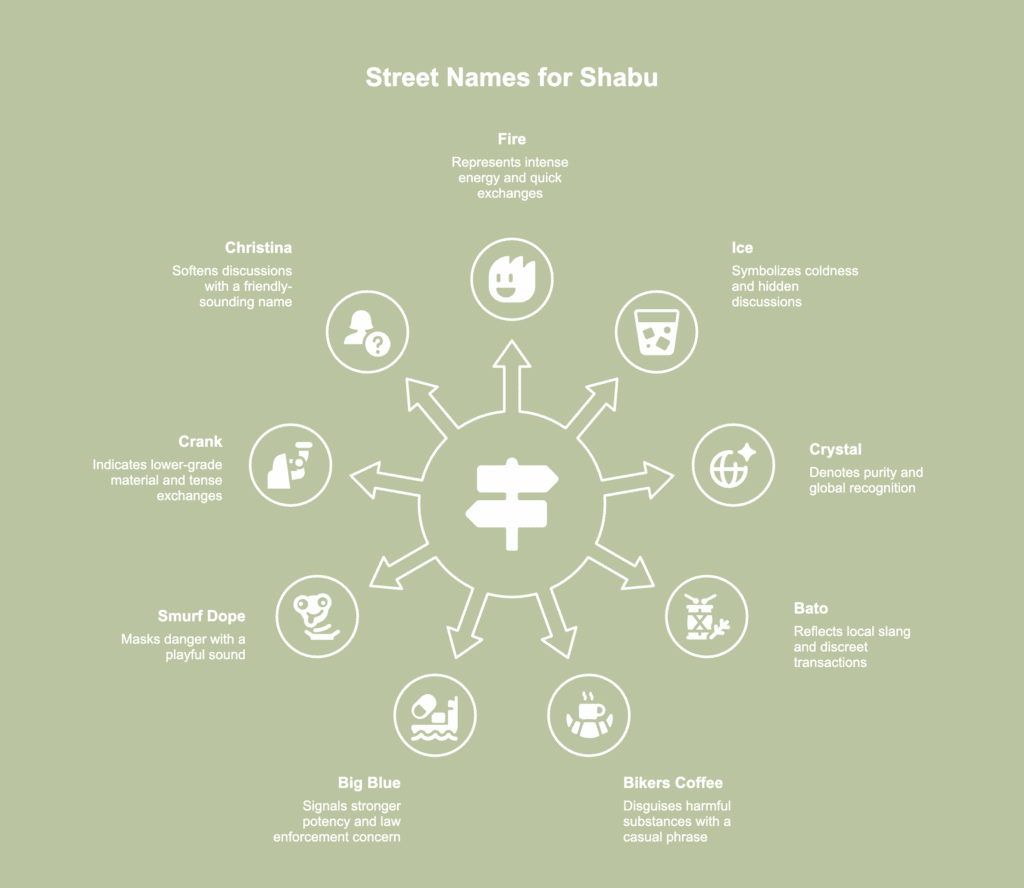
Street names for shabu refer to informal labels used by groups involved with the use or distribution of the stimulant drug. The street names for shabu are listed below.
- Fire: Fire gained its label from the sharp rush users pursue after taking the stimulant. The name suggests intensity due to sensations linked with rapid bursts of energy. Dealers favor the term for quick exchanges because short words travel easily in crowded areas.
- Ice: Ice draws from the glass-like appearance of crystallized fragments passed through illicit markets. Users repeat the word in coded talk to keep discussions hidden from authorities. The cold imagery within the label reflects the harsh impact numerous individuals report after exposure.
- Crystal/crystal meth: Crystal or crystal meth references the polished, rock-like form created during production. The term holds global recognition due to years of media coverage and widespread trafficking routes. Conversations involving the street name revolve around purity, texture and expected intensity. Prevention teams rely on awareness of such wording to detect early signs of potential stimulant involvement.
- Bato: Bato literally means stone in Filipino. The name appears frequently in Filipino slang, drawing influence from everyday language within local streets. Users employ the term during whisper-level transactions intended to escape detection.
- Bikers coffee: Bikers coffee developed among motorcycle groups trading small packets during long-distance travel. Riders favored the phrase due to the casual sound, allowing conversations to blend with normal chatter. The name creates a deceptive impression since it disguises harmful substances behind a harmless beverage reference.
- Big blue: Big blue emerged from batches tinted with a faint color noticeable in dim lighting. Sellers use the term to separate one variant from another during negotiations with buyers. The nickname signals stronger potency, prompting concern within law enforcement circles. Awareness programs introduce the slang during seminars to help families interpret risky clues.
- Smurf dope: Smurf dope borrows from the blue shade various batches display after specific chemical processes. The playful sound masks a harsh stimulant linked with heavy strain on both body and mind. Traffickers favor the phrase because the friendly sound diverts attention away from danger concealed behind vivid imagery.
- Crank: Crank traces back to early biker groups traveling long distances through remote corridors. The term gained momentum due to a sharp rhythm allowing quick repetition during tense exchanges. Users link the slang to lower-grade material sold at reduced prices.
- Christina: Christina functions as a personified nickname intended to disguise dangerous substances behind a friendly-sounding name. Dealers adopt the term to soften discussions during exchanges conducted in public spaces. The disarming tone pulls attention away from serious risks tied to stimulant exposure.
Is shabu the same as meth?
Yes, shabu is the same as meth. Use of the term depends on regional slang, yet the substance remains identical in chemical structure. Discussions comparing meth vs. crystal meth often highlight form or purity, though both fall under the same broader category.
Street networks describe shabu as a regional label for methamphetamine due to long-standing use in several Asian communities. Law enforcement reports describe identical risks across every variant, including rapid spikes in alertness followed by heavy physical strain. Numerous regions facing trafficking problems report similar patterns of harm linked to prolonged exposure.
What does shabu look like?
Shabu looks like a bluish-white crystalline substance resembling shattered glass under direct light. A closer view reveals small rocks and compact chunks formed during illicit production. Granules appear sharp-edged, giving each piece a distinct sparkle under stronger brightness.
Certain batches show irregular shapes due to hurried mixing methods used by underground groups. Smokers report a crackling sound as crystals melt, adding to the drug’s recognizable profile.
Vendors package portions in thin plastic sheets or tiny containers, creating a deceptively simple presentation. Street users identify purity through texture, weight and visible clarity across each fragment.
Is shabu addictive?
Yes, shabu is highly addictive due to a stimulant profile driving intense cravings. Use leads to rapid escalation because each dose pushes the brain toward stronger pursuit of heightened alertness.
Routine consumption builds a pattern gradually becoming harder to break once routines form around the substance. Continued use progresses into drug addiction since the brain adapts to constant stimulation and demands more.
Sharp crashes follow each peak, driving individuals to seek relief through additional intake. Withdrawal introduces restlessness, fatigue and changes in mood, making abstinence challenging. Cravings interfere with judgment, weakening the ability to make steady decisions.
Is it possible to get addicted to shabu drugs if you use it frequently?
Yes, it is possible to get addicted to shabu drugs if you use it frequently, because repeated intake steadily strengthens powerful urges for more intake. Regular exposure sends a rewarding rush through the system, so each session becomes harder to set aside as the body adjusts to strong shifts in energy and focus.
Cravings grow steadily because the brain starts linking the substance with confidence, alertness or escape from discomfort. Reaching for another dose feels natural once early patterns turn into familiar habits dominating attention.
Drug use under pressure adds another layer of risk since various individuals chase the boost to push through fatigue or stress. Rising tolerance encourages larger amounts to reach the same intensity, creating a cycle harming both physical and mental balance.
How dangerous is shabu?
Shabu is highly dangerous because the stimulant force drives the body into extreme strain within a short period. Habitual use pushes the heart, nerves and breathing patterns far beyond healthy limits, raising the risk for sudden medical crises.
Prolonged exposure fuels rapid deterioration of dental health, muscle strength and sleep patterns. Using shabu additionally invites aggression, sleeplessness and rapid weight decline as the system struggles to recover between doses.
Affected people report vivid paranoia due to harsh stimulation interfering with normal thought patterns. Crashes after each surge leave users feeling drained and desperate for relief.
Can you overdose on shabu?
Yes, you can overdose on shabu. Excessive intake pushes the body to extremes and overwhelms vital functions. Overworked organs struggle under rapid spikes in heart rate, blood pressure and neural activity.
Breathing grows erratic as the system loses coordination during extreme surges. Mental clarity collapses during peak stimulation, resulting in panic or violent agitation. Severe reactions linked to meth overdose include chest pain, seizures and sudden collapse due to overwhelming strain.
A drug overdose triggered by the substance brings unpredictable shifts in consciousness and physical control. High doses disrupt temperature regulation, creating dangerous spikes capable of causing organ failure.
Hospital intervention becomes essential once signs of extreme toxicity appear. Elevated stimulant levels disrupt normal brain activity and create life-threatening imbalances throughout the body.
How common is shabu use?

Shabu use is common, with roughly 24 million individuals reported to use methamphetamine worldwide, according to a 2022 study by Edinoff et al., titled “Methamphetamine Use: A Narrative Review of Adverse Effects and Related Toxicities.”
Meanwhile, as per a July 2025 publication from the Substance Abuse and Mental Health Services Administration (SAMHSA), “Key Substance Use and Mental Health Indicators in the United States: Results from the 2024 National Survey on Drug Use and Health,” roughly 2.4 million individuals aged 12 or older in the United States, representing about 0.8 percent of the population, reported using methamphetamine within the previous year.
Among a nationally selected group of 10,175 students aged 11–18 in the Philippines, shabu—a local street term for methamphetamine or crystal meth—ranked as the second most used illicit substance, with a current-use rate of 3.6% overall, as noted in a May 2025 paper from Pengpid et al., titled “Prevalence, drug education, and other associated factors of current illicit drug use among a nationally representative sample of school-aged adolescents in the Philippines in 2019.”
Regional figures from earlier research showed far lower levels, such as 1.2% for lifetime amphetamine exposure in Laos and 5.1% in Timor-Leste. The study added how the Philippines functions as a major transit point for methamphetamine movement, a pattern shaped largely through poverty and social imbalance.
Shabu remains inexpensive and easy to obtain, and various individuals turn to the drug for added stamina during exhausting work or for quick income in low-resource communities.
What countries have high shabu use?
Countries with high shabu use refer to nations showing significant rates of methamphetamine consumption or availability within the population. The countries with high shabu use are listed below.
- Philippines: The Philippines reports widespread shabu intake across numerous provinces, driven largely by affordability and strong underground circulation. Local markets push distribution into crowded districts, giving sellers constant access to buyers. Arrest records highlight frequent encounters involving crystalline products labeled as shabu.
- Japan: Japan shows recurring meth use among hidden networks despite strict enforcement. Authorities intercept numerous shipments aimed at coastal entry points, revealing steady smuggling attempts. Users in certain urban zones pursue stimulant effects during long work stretches, adding pressure on treatment services.
- Thailand: Thailand faces sustained stimulant movement through land borders linked to regional trade. Numerous neighborhoods struggle with persistent circulation influenced by complex economic dynamics and entrenched criminal groups. A 2012 review by Chulathida Chomchai and Boonying Manaboriboon titled “Stimulant Methamphetamine and Dextromethorphan Use Among Thai Adolescents: Implications for Health of Women and Children” described methamphetamine’s presence in Thai society well before 2012, showing a shift from a fatigue-fighting aid for laborers toward a popular option for adolescents pursuing recreational highs. In 2009, methamphetamine stood as the second most used illicit substance in Thailand among individuals aged 15–64, trailing only cannabis, and accounted for 82% of all addiction treatment admissions.
- Malaysia: In Malaysia, shabu use is tied to urbanization, with densely populated areas facing significant challenges related to stimulant distribution. Various individuals, particularly those in low-income sectors, turn to methamphetamine for quick relief from the challenges of daily life. Among younger users, the allure of the drug stems from the promise of heightened focus and energy for work or school.
- Indonesia: Indonesia experiences widespread stimulant activity shaped by island geography offering countless entry points for smugglers. People turn to the drug to manage high-stress environments, particularly in fast-growing cities as work demands push individuals to the edge. Shabu use is seen during late-night activities, where the drug offers an escape from fatigue or social pressures.
- Australia: While Australia does not use “shabu” as a term for methamphetamine, the country faces significant challenges with meth abuse. As per a 2023 narrative review by Russ Scott titled “Methamphetamine dependence in Australia–why is ‘ice’ (crystal meth) so addictive?” Australia records some of the highest crystal methamphetamine consumption levels worldwide, with a marked shift toward high-purity products since the 1990s. The 2019 National Drug Strategy Household Survey placed past-year use at 1.3% among people aged 14+, though real figures remain uncertain due to gaps involving homeless or incarcerated groups. Weekly intake among crystal users rose from 12% in 2010 to 29% in 2019. Wastewater results show strong mid-week peaks, pointing to patterns linked to stamina or productivity rather than purely leisure.
How are shabu drugs used?
Shabu drugs are used in several ways, most commonly by smoking, snorting, injecting or swallowing. The lab-made, synthetic nature of shabu allows it to be produced in various forms, with the crystalline version being the most common.
Smoking often dominates because heated crystals release vapors that enter the lungs quickly and move straight into circulation. Certain individuals choose nasal intake, drawing crushed particles into nasal passages for a rapid surge.
Others inject dissolved portions into veins, a method linked to severe health risks due to contamination and rapid toxicity. Each route introduces a lab-made substance crafted from volatile chemicals blended into a powerful synthetic stimulant.
What are the health risks of using shabu drugs?
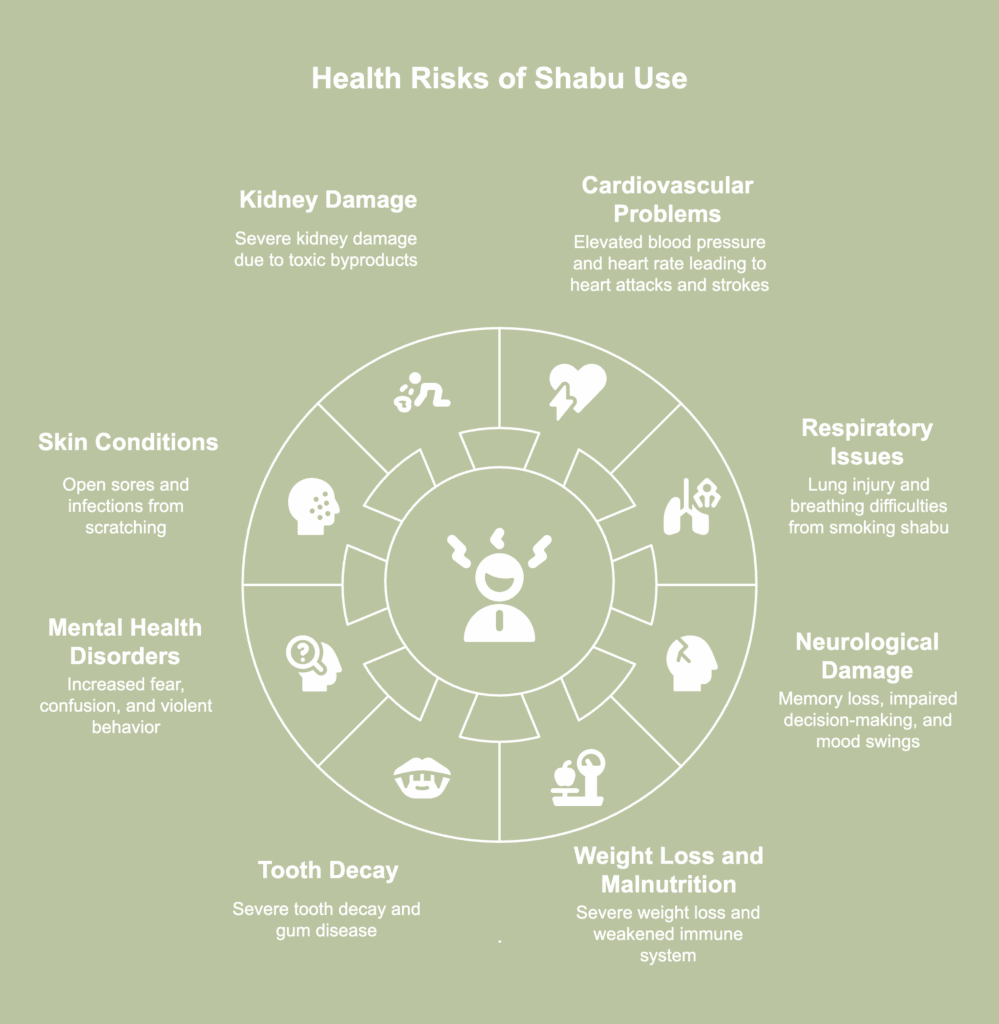
Health risks of using shabu drugs pertain to the wide range of harmful outcomes associated with consuming methamphetamine. The health risks of using shabu drugs are listed below.
- Cardiovascular problems: Shabu use puts immense strain on the heart, leading to elevated blood pressure and increased heart rate. The stress heightens the risk of heart attacks, strokes and arrhythmias, conditions causing long-term damage to the cardiovascular system. Regular stimulant use forces the heart to work harder than normal, wearing down its ability to function effectively. Eventually, individuals experience chronic heart issues requiring extensive medical treatment.
- Respiratory issues: Smoking shabu results in immediate harm to the lungs and respiratory system. A 2019 case report by Eilís McCarthy and Erik McClain titled “Methamphetamine-Induced Lung Injury” described a 44-year-old man who arrived at the emergency department with steadily worsening respiratory issues over four weeks. His main concerns included shortness of breath, pink frothy sputum, a persistent cough, and noticeable palpitations. He smoked ten cigarettes daily since adolescence and used cannabis regularly but initially denied alcohol or illicit substances. Further questioning revealed frequent methamphetamine smoking during the previous eight weeks, with his last session the night before arrival. The clinicians noted meth-related lung injury often presents with vague respiratory signs, closely resembling infection, pulmonary edema, or hemorrhage.
- Neurological damage: Shabu’s effects on the brain are profound, resulting in long-term cognitive and emotional damage. Frequent use disrupts the brain’s natural chemical balance, leading to memory loss, impaired decision-making and difficulty with concentration. Chronic users additionally experience severe mood swings, including aggression and paranoia. Neurological deterioration tends to be permanent, significantly impairing the ability to think clearly and interact with others in healthy ways.
- Weight loss and malnutrition: One of the side effects of shabu is severe weight loss due to the drug’s appetite-suppressing properties. Users neglect proper nutrition while using the drug, worsening the risk of malnutrition. Muscle wasting and a weakened immune system typically follow, hindering the body’s ability to recover from illness.
- Tooth decay (meth mouth): A notable consequence of shabu abuse is the deterioration of dental health, commonly referred to as “meth mouth.” The drug dries out the mouth, reducing saliva production and allowing harmful bacteria to flourish, leading to severe tooth decay and gum disease. A key finding from a 2024 review article by Alqarni et al., called “Crystal methamphetamine and its effects on mental and oral health: A narrative review” linked crystal methamphetamine to “meth mouth,” a term coined by the American Dental Association for severe tooth decay in users. Oral changes include pronounced dry mouth, lower saliva pH, weaker buffering and widespread brown lesions reaching the gumline. Teeth erode quickly, taste perception differs and gums show signs of advancing disease. Heavy plaque, thick calculus deposits, poor hygiene and multiple missing teeth frequently appear in long-term users as well.
- Mental health disorders: Shabu has a significant and lasting effect on mental health. Altering the brain’s chemistry, the drug increases fear, confusion and distress, occasionally resulting in violent behavior. The severity of mental health issues causes users to withdraw from social interactions and sever ties with support networks. Left untreated, mental health problems worsen, eventually leading to long-term psychiatric conditions that are hard to manage without professional intervention.
- Skin conditions: The sensation of bugs crawling under the skin, often referred to as “meth mites,” leads individuals to scratch or pick at affected areas, causing open wounds. Open sores become highly susceptible to bacterial infections due to the reduced ability of the immune system to fight off pathogens. Without proper care, the skin suffers permanent scarring or disfigurement.
- Kidney damage: Shabu usage places immense strain on the kidneys, resulting in severe kidney damage over time. The drug’s stimulant effects increase the production of toxic byproducts in the body, overwhelming the kidneys’ ability to filter waste. The risk of kidney damage is heightened when users engage in risky behaviors, such as combining shabu with other substances, further straining organ function.
What to know before you take shabu drugs?
Before you take shabu drugs, understand the extreme strain imposed on the body with each instance of intake. Potent stimulants inside the substance drive heart activity into unstable territory, creating a serious threat to circulation.
Strong surges in energy tend to push judgment aside, leading to choices linked to unsafe environments or chaotic situations tied to drug use. Repeated exposure disrupts sleep cycles, appetite and long-term cognitive stability.
Lung irritation grows quickly once heated vapors enter delicate tissue, increasing respiratory distress during daily activity. Intense agitation follows high doses, with sharp changes in mood making interactions with family or colleagues unsettling.
Can shabu be detected in drug tests?
Yes, shabu can be detected in drug tests. Urine screening usually identifies methamphetamine for 2 to 3 days, giving examiners a clear window for recent substance use. Blood testing picks up traces for roughly 24 to 48 hours, offering a shorter detection span with direct measurement of circulating stimulant levels.
Saliva tests capture residue for roughly 1 to 3 days, providing a quick option for workplace checks or roadside assessments. Hair analysis delivers the longest record, preserving evidence for up to 90 days due to slow follicle growth.
Each method offers a different perspective on recent patterns, allowing clinicians or authorities to verify intake with varying degrees of precision. Stronger doses push detection windows slightly longer due to slower metabolic clearance.
Hydration, body composition and frequency of intake influence how long residues linger inside tissues. Regular users frequently register positive results across several testing formats, even after brief pauses.
Are there any medical uses for shabu?
No, there are no approved medical uses for shabu. Shabu is a street name for the highly potent crystalline methamphetamine, which is illegal and manufactured outside of regulated medical settings.
Although the active ingredient in shabu, methamphetamine hydrochloride, has limited medical uses, it is only accessible through a prescription under the brand name Desoxyn in the United States.
Desoxyn treats attention deficit hyperactivity disorder (ADHD) and obesity, but the drug is prescribed under strict medical supervision because of the potential for abuse and addiction. Classified as a Schedule II controlled substance, Desoxyn is recognized for medical use but also carries a high risk of abuse and dependence. Due to the drug’s potency and associated risks of misuse, it is seldom prescribed compared to other stimulants.
The form of methamphetamine found in shabu is typically much more potent and unregulated, making non-medical use extremely dangerous. Use in an illegal context leads to serious health risks, including addiction and severe physical damage.
What are the signs of shabu addiction?
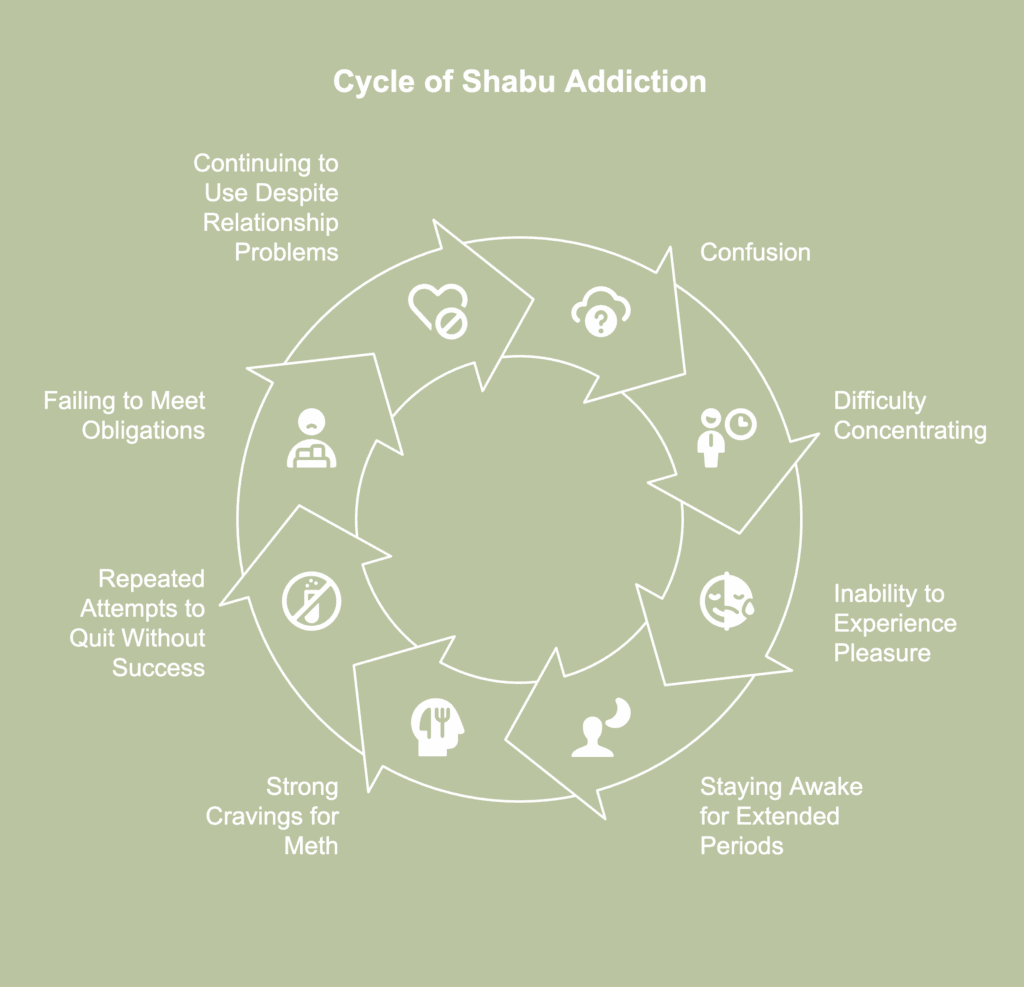
Signs of shabu addiction refer to the indicators suggesting a person is dependent on methamphetamine. The signs of shabu addiction are listed below.
- Confusion: Addicts frequently experience mental fog or confusion, struggling to think clearly or process information. Mental cloudiness arises from prolonged drug use interfering with normal brain function. Memory is affected as well, leading to forgetfulness or an inability to recall important details. The resulting disorientation complicates daily tasks and increases the likelihood of poor decision-making.
- Difficulty concentrating: A hallmark of shabu addiction is the inability to focus or concentrate on tasks for extended periods. The constant stimulation from methamphetamine leads to scattered thoughts and a tendency to jump from one idea to another. A lack of focus causes significant problems at work, school or home, where attention to detail is essential. A person eventually struggles to complete even the simplest tasks due to the constant mental distractions caused by the drug.
- Inability to experience pleasure without the drug: As addiction intensifies, finding pleasure in everyday activities without meth becomes increasingly difficult. Hobbies and social interactions lose appeal as the brain grows dependent on the high shabu provides. The change in how pleasure is experienced isolates the individual, making recovery more challenging. Gradually, the drug takes over, leaving no room for genuine enjoyment outside of substance use.
- Staying awake for extended periods: A common sign of methamphetamine use is staying awake for days at a time, leading to extreme exhaustion. The stimulant effects of shabu suppress the need for sleep, causing individuals to push themselves beyond natural limits. According to a 2021 review by Vrajová et al., titled “Methamphetamine and sleep impairments: neurobehavioral correlates and molecular mechanisms,” methamphetamine delays falling asleep, shortens overall rest, weakens sleep depth and breaks normal sleep cycles. Habitual intake builds tolerance, while withdrawal produces heavy drowsiness and poor-quality rest, potentially driving relapse.
- Strong cravings for meth: Intense, uncontrollable urges to use meth are a major sign of addiction. The brain becomes conditioned to crave the drug, especially during moments of stress, boredom or emotional upheaval. Cravings overpower a person’s ability to make rational decisions, leading to impulsive use. A relentless desire for the drug keeps the individual focused on satisfying the need rather than addressing other aspects of life.
- Repeated attempts to quit without success: Despite efforts to stop, individuals with a shabu addiction struggle to control substance use. Though aware of the damage caused, those affected feel stuck in a pattern that remains hard to break without outside help. The core finding of a 2023 study authored by Fockele et al., called “That Line Just Kept Moving”: Motivations and Experiences of People Who Use Methamphetamine,” involved a “shifting line” idea, with participants portraying methamphetamine use as helpful at first yet increasingly destructive as patterns changed. The metaphor highlights a fluid, contradictory progression in experience: early boosts in performance and social connection but eventually led to paranoia, isolation and serious health problems. Users described feeling trapped in a loop, repeating tasks relentlessly due to confusion and paranoia.
- Failing to meet obligations at school, work or home: Responsibilities like school, work and home life are ignored when shabu is prioritized. The person becomes consumed by meth use, causing important tasks to be overlooked, resulting in missed deadlines and poor performance. Eventually, the individual’s life becomes increasingly unmanageable as the addiction takes priority over everything else.
- Continuing to use despite relationship problems: Shabu addiction causes damage to interpersonal relationships. Individuals continue using the drug despite ongoing conflicts or negative consequences in personal life. Breakdowns in trust and emotional distancing from loved ones are overlooked as the need for meth takes precedence. Such a disregard for the damage caused to relationships signals the depth of addiction, where maintaining the high becomes more important than emotional or social connections.
How can you tell if someone is using shabu?
You can tell if someone is using shabu by observing physical and behavioral changes. One of the first signs is intense hyperactivity, where a person appears unusually energetic or restless, talking rapidly or engaging in excessive movement.
Another common sign is dilated pupils, becoming noticeably larger even under normal lighting. If a person begins to lose weight quickly or shows signs of neglecting personal hygiene, those are possible indicators of shabu use as well.
Extreme mood swings from euphoria to irritability are prevalent too, as the drug affects mental stability. Difficulty concentrating and confusion are other signs to identify, as someone addicted to shabu typically seems distracted or disoriented.
Sleep disruption stands out strongly, with long wake cycles followed by heavy crashes leaving the person withdrawn or unfocused. Social habits sometimes change quickly, pulling the individual away from familiar circles whether due to paranoia or intense preoccupation. Noticeable weight loss develops as appetite fades, revealing a dramatic decline in physical resilience.
What are the side effects of shabu?
Side effects of shabu range from short-term reactions to long-term complications, creating a broad spectrum of physical and psychological harm. The side effects of shabu are listed below.
Short-term side effects
- Heightened alertness: Shabu stimulates the central nervous system, causing users to feel more awake and alert. A heightened state of awareness leads to increased productivity or impulsive decision-making in the short term. Users describe a rushing sensation pushing attention toward every small detail.
- Irregular heartbeat: The stimulant properties of shabu cause an irregular heartbeat, known as arrhythmia. The drug speeds up the heart rate, placing additional stress on the cardiovascular system. Strong pulses strain vessels throughout the chest, creating discomfort during physical effort. Various individuals report fluttering sensations during rapid breathing or sudden movement.
- Elevated body temperature: Shabu causes the body’s internal temperature to rise, a condition called hyperthermia. Sudden increase in body temperature leads to sweating, dehydration and a heightened risk of heatstroke, particularly in hot environments. A 2023 case report by Schussler et al., titled “Extreme Hyperthermia Due to Methamphetamine Toxicity Presenting As ST-Elevation Myocardial Infarction on EKG: A Case Report Written With ChatGPT Assistance” detailed severe hyperthermia triggered through methamphetamine toxicity in a 37-year-old man. ST-elevation myocardial infarction (STEMI), a life-threatening cardiac event marked by full-thickness injury to heart muscle, served as the initial working diagnosis due to striking electrocardiogram (EKG) findings. The pattern resembled a genuine infarction, creating significant uncertainty for the clinical team. Further evaluation revealed stimulant-driven sympathetic overload, intense vasoconstriction, and widespread metabolic disruption as the forces responsible for the misleading EKG appearance rather than blocked coronary arteries.
- Suppressed appetite: Interest in food drops sharply during stimulant highs, leaving meals unfinished. Energy supply dwindles because calorie intake fails to match physical demands. Weight declines steadily once hunger signals fade for long periods. Nutritional deficits weaken resistance against infections and slow daily recovery after strenuous activity.
- Agitation: Restlessness escalates soon after strong doses reach the bloodstream. Muscles tense, breathing shifts and irritability grows during social interaction. Arguments erupt easily due to rapid mood swings triggered by overstimulation. Persistent unease disrupts routines, leaving relationships strained and unpredictable.
- Jaw clenching and teeth grinding: Another short-term side effect of shabu is jaw clenching accompanied by grinding of the teeth. Such symptoms occur due to the stimulant’s effects on the nervous system, causing muscle tension in the jaw. Repeated clenching leads to pain, soreness or even long-term dental problems. In certain cases, jaw clenching and teeth grinding result in damaged teeth and weakened jaw muscles.
Long-term side effects
- Stimulant addiction: Shabu is highly addictive, and frequent use quickly leads to a dependence on the drug. Addiction to methamphetamine reshapes the brain’s reward pathways, leaving the person unable to feel pleasure without relying on the drug. Attempts to quit frequently trigger severe withdrawal discomfort, pushing individuals toward relapse. Longstanding reliance reshapes daily life, drawing focus away from growth, stability and long-term planning.
- Altered brain structure and function: Shabu alters the structure of the brain, particularly in regions responsible for memory and decision-making. As per a 2020 study by Kim et al., “Methamphetamine-Induced Neuronal Damage: Neurotoxicity and Neuroinflammation,” meth triggers injury to brain cells through oxidative stress, disrupted neurotransmitter activity, inflammation and programmed cell death. The review explained the drug heavily targets dopamine systems responsible for motivation, movement and learning. Damage in dopamine pathways contributes to the loss of neurons and interferes with normal signaling. As a result, users experience cognitive problems, including difficulty concentrating and reduced memory performance.
- Delusions: Methamphetamine use produces fixed false beliefs unrelated to reality. Suspicion grows rapidly during stressful moments, creating conflict with friends or family. Perceived threats feel vivid, driving avoidance of public places or unfamiliar settings. Intense confusion accompanies severe episodes, prompting emergency care for numerous users.
- Violent behavior: Aggression rises as judgment weakens during chronic stimulant exposure. Methamphetamine induces extreme mood swings, and as a result, individuals lash out unexpectedly. Physical confrontations become more frequent once impulse control deteriorates. Communities and families experience greater tension because unpredictable outbursts disrupt daily life.
- Repetitive behaviors: Shabu addiction leads to the development of compulsive, repetitive behaviors, such as sorting objects or cleaning surfaces for long periods. Such actions stem from the overstimulation of the brain’s reward centers, driving the individual to repeat specific tasks endlessly. Hours pass without awareness due to intense fixation on minor details.
- Chronic anxiety: Shabu drug fuels persistent dread, leaving nerves on edge throughout daily routines. Minor stressors feel overwhelming due to heightened sensitivity created by chemical imbalance. The constant rush of adrenaline caused by methamphetamine keeps the nervous system in a heightened state. Racing thoughts intrude during conversations, reducing concentration during work.
- Visual and auditory hallucinations: Shabu produces vivid images and voices without external sources. Affected persons report shadows moving in empty rooms or whispers during quiet periods. Fear escalates rapidly as sensory distortions blur boundaries between imagination and reality. A 2023 study by Nazari et al., involving 198 people dependent on methamphetamine, “The Survey of Prevalence and Content of Hallucinations and Delusions in Methamphetamine Dependents,” reported auditory hallucinations in 41.4% of participants and visual hallucinations in 26.8%. Reports of voices focused on self-harm in 34.1% of cases, harm toward others in 30.5%, suicide in 24.4% and homicide in 7.3%.
How does shabu affect the brain?

Shabu affects the brain by disrupting normal signaling and creating a surge of intense stimulation above safe levels. The drug interferes with natural chemistry, causing an exaggerated release of dopamine overwhelming the brain’s communication pathways.
As dopamine floods these pathways, motivation, focus and pleasure become tied to shabu instead of healthy experiences. The shift in balance leads to drug impact on the brain, pushing thoughts and behavior toward constant use.
Neural circuits involved in memory and judgment begin to weaken, making rational decisions harder to form. Emotional regulation suffers as stress responses grow stronger, leaving the person more reactive and unstable.
Habit formation intensifies, as the brain adapts to the frequent presence of the stimulant. Continued exposure reshapes key regions linked to impulse control, limiting the ability to resist cravings. With prolonged use, structural changes deepen, reducing clarity in thinking and creating lasting cognitive harm.
Can shabu cause mental health problems?
Yes, shabu can cause mental health problems. Repeated exposure to the drug disrupts emotional balance, leading to intense fluctuations in mood and perception. Various individuals experience rising tension, fear or confusion as the brain struggles to manage overwhelming stimulation.
Prolonged use brings psychosis, with frightening beliefs or distorted interpretations of ordinary events. The drug’s influence pushes the mind toward instability, creating patterns linked to emerging mental illness and unhelpful habits difficult to break without support.
Concentration weakens, and daily tasks become harder to complete with clarity. Sleep patterns fall apart, feeding irritability and further emotional strain. As more and more psychological changes take place, the person faces growing difficulty distinguishing internal thoughts from reality.
What are the withdrawal symptoms of shabu?
Withdrawal symptoms of shabu describe the difficulties experienced after stopping methamphetamine use. The withdrawal symptoms of shabu are listed below.
- Extreme fatigue: Profound exhaustion settles in once stimulant effects disappear, leaving the body struggling to remain stable. Energy levels collapse quickly, creating a heavy sensation throughout the body. Concentration becomes difficult as mental focus drifts in and out unpredictably. A strong sense of weakness follows, prompting an urgent need for extended rest.
- Anxiety: Anxiety rises during withdrawal, pushing the mind into a restless and unsettled state. Thoughts race without direction, and calmness becomes difficult to regain. According to a 2017 study by Su et al., called “Anxiety level and correlates in methamphetamine-dependent patients during acute withdrawal,” anxiety emerges during acute meth withdrawal and affects roughly one-third of individuals in recovery. Women, daily users and polysubstance users face elevated vulnerability to anxiety symptoms.
- Sleep disturbances: Sleep patterns swing unpredictably, ranging from long stretches of oversleeping to long nights without rest. The mind struggles to clear up, even when the body feels drained. Dreams become vivid or unsettling as brain activity adjusts to stimulant absence. The instability leaves the affected person feeling disoriented upon waking.
- Persistent headaches: A dull throb typically forms behind the eyes or along the temples, creating constant discomfort. Even minor physical activity worsens the pounding sensation. Light and noise intensify the ache, forcing the person to retreat into quiet spaces. Tension builds in the neck and shoulders as well, feeding into the pain cycle.
- Dry mouth: Moisture levels in the mouth drop, producing a persistent dry or pasty feeling. Speech becomes uncomfortable and swallowing feels strained. Saliva production struggles to normalize without the stimulant.
- Muscle spasms: Muscles twitch unpredictably as the body adapts to reduced stimulant input. Sudden jerks or tightening sensations interrupt rest or daily activities. Involuntary contractions lead to soreness, lingering long after each spasm ends. Discomfort spreads across limbs, especially after long periods of inactivity.
- Intense cravings: Cravings surge as the brain demands the dopamine spikes once generated by shabu. Thoughts drift toward memories of rapid relief provided during previous use. Inner conflict increases because the body pushes for immediate satisfaction while recovery requires restraint. Support systems become crucial during this stage, as cravings frequently undermine progress.
- Low mood: Low mood occurs when dopamine levels drop, leaving the person without the artificial lift once produced by shabu. Pleasure feels distant, even during activities once viewed as comforting. Motivation fades as the mind struggles to find purpose in regular routines. The emotional weight leads to withdrawal from social contact, as the individual fights through sluggish thinking and a strong desire to retreat from daily responsibilities.
What are the treatment options for shabu addiction?
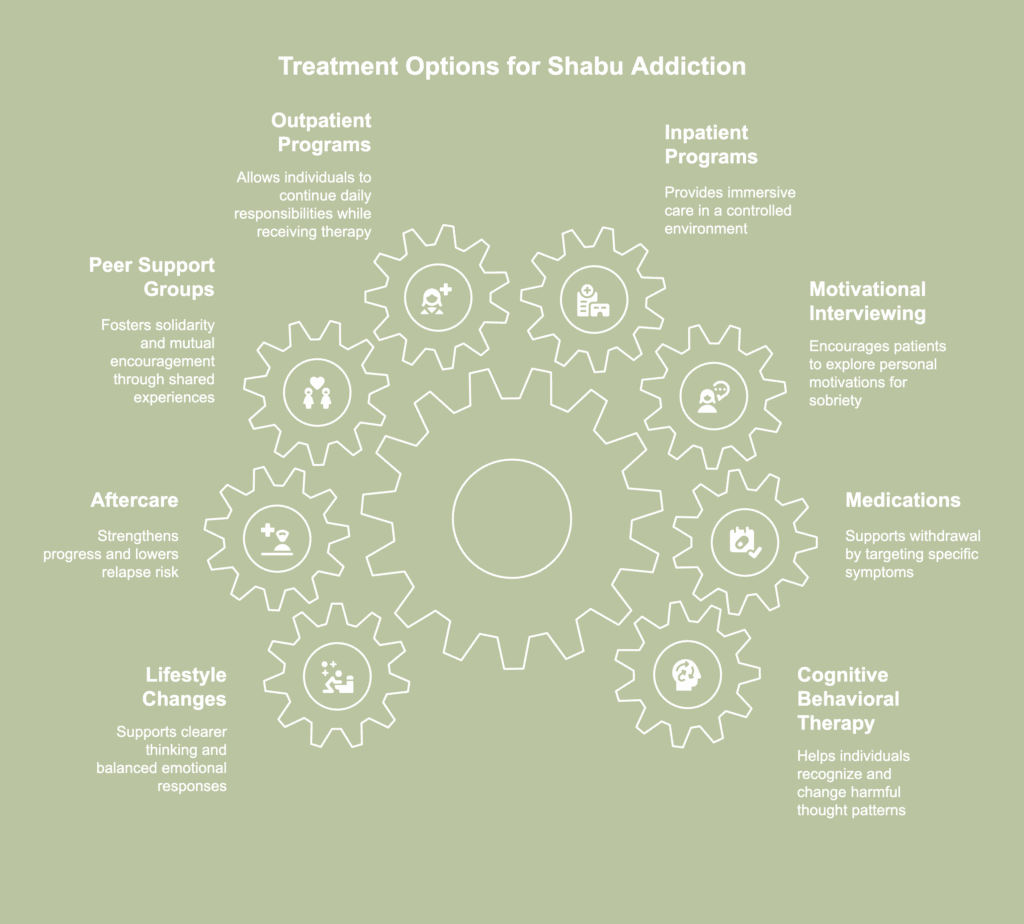
Treatment options for shabu addiction pertain to the range of structured approaches used to help individuals break stimulant dependence and rebuild stability in daily life. The treatment options for shabu addiction are listed below.
- Cognitive behavioral therapy (CBT): CBT guides individuals toward recognizing harmful thought patterns fueling stimulant use. Sessions introduce new ways to interpret stress, helping patients respond with healthier choices. Progress requires steady practice, as each insight strengthens self-control. With consistent application, CBT supports lasting change in behavior and mindset.
- Medications: There is currently no medication approved by the United States Food and Drug Administration (FDA) for methamphetamine use disorder (MUD). However, certain prescriptions support withdrawal by targeting a specific symptom, giving the individual a clearer path toward stability. A 2021 review by Anna Moszczynska titled “Current and Emerging Treatments for Methamphetamine Use Disorder” revealed off-label pharmacotherapies deliver only modest improvements in methamphetamine reduction, usually reaching roughly 10–30 percent, with benefits concentrated in lighter users. Most regimens function as add-ons to behavioral interventions rather than stand-alone solutions. For instance, antidepressants like bupropion (Wellbutrin) offer small gains for lighter users, while mirtazapine (Remeron) records stronger abstinence increases and fewer positive tests. The opioid antagonist Naltrexone lowers use levels and cravings, with injectable formulations achieving roughly a 40 percent drop in positive tests.
- Motivational interviewing (MI): Motivational Interviewing encourages patients to explore personal motivations for sobriety through open, reflective dialogue. Practitioners guide discussions without judgment, prompting deeper awareness of internal barriers. A collaborative tone fosters stronger commitment to behavioral change through self-generated insight.
- Inpatient programs: Inpatient programs provide immersive care inside a controlled environment staffed with trained professionals. Residents follow daily schedules crafted to restore physical strength and mental clarity. Structured routines limit access to harmful influences while reinforcing discipline. A residential setting enables patients to gain momentum before returning to regular life.
- Outpatient programs: Outpatient care allows individuals to continue daily responsibilities while receiving scheduled therapeutic guidance. Counselors track progress closely, adjusting strategies as new challenges appear. Group sessions introduce shared insight from peers on similar paths. The flexible format of outpatient treatment supports recovery without removing the person from their home or community.
- Peer support groups: Support groups bring individuals together for shared discussion and mutual encouragement. Group settings foster solidarity through stories highlighting struggles and victories. Peer-based interaction offers relatable perspectives, strengthening motivation during difficult periods. Steady attendance cultivates meaningful connections, reinforcing resilience throughout recovery.
- Aftercare: Aftercare strengthens progress achieved during earlier phases of treatment. Regular check-ins, peer support groups and skill-reinforcement sessions keep recovery goals active. New habits become more stable as individuals practice healthier coping methods. Continued guidance from aftercare support lowers relapse risk and encourages steady personal growth.
- Lifestyle changes: Healthier habits such as regular exercise, balanced nutrition and structured sleep schedules support clearer thinking and balanced emotional responses. A 2020 paper by AshaRani et al., “Non-pharmacological interventions for methamphetamine use disorder: a systematic review,” incorporated findings from Wang and colleagues (2015–2017) as supporting evidence on exercise being beneficial for reducing meth use. Wang’s research showed stronger craving drops among exercise groups compared with control groups during sessions and after activity. Higher intensity and longer workout periods delivered better outcomes for meth-related patterns. Moderate and vigorous routines produced larger craving reductions than light activity across single-session and multi-week timelines.