
Heroin withdrawal: symptoms, timeline, and treatment



Heroin withdrawal refers to the variety of symptoms that individuals experience when they develop a dependence on heroin and subsequently reduce or discontinue their use of the substance.
Symptoms of heroin withdrawal include nausea and vomiting, muscle aches and pains, mydriasis (dilated pupils), lacrimation and yawning, runny nose, diarrhea, chills and sweating, piloerection, insomnia, anxiety, and agitation.
The timeline of heroin withdrawal usually ranges from several hours to a few days and includes three distinct phases. Symptoms typically start to appear within 8 to 12 hours after the last dose. This is followed by the peak withdrawal phase, which occurs around 36 to 72 hours later. Finally, there is the last phase where acute withdrawal symptoms begin to subside, generally within 5 days. Although the symptoms are extremely uncomfortable and resemble severe flu, they are generally not life-threatening.
Heroin withdrawal is treated with a comprehensive approach that includes medical supervision, medication-assisted treatment (MAT) with drugs like methadone or buprenorphine, and behavioral therapies such as cognitive behavioral therapy (CBT) and motivational enhancement therapy (MET). Support groups like Narcotics Anonymous (NA) aid in relapse prevention and maintaining long-term sobriety.
What is heroin withdrawal?
Heroin withdrawal refers to the physical and psychological symptoms that occur when a person who is dependent on heroin reduces or abruptly stops using the drug. Heroin refers to an illegal and highly potent opioid drug that is produced from morphine which comes from the opium poppy plant seedpod. It has strong analgesic as well as psychoactive properties. A major risk of quitting heroin is the increased possibility of overdosing later, as the body’s tolerance to the drug decreases during abstinence.
Heroin addiction affects the brain’s reward system by releasing dopamine, a “feel-good” chemical, which reinforces drug-taking behavior and makes its use difficult to stop. As the body becomes accustomed to heroin, it needs increasingly larger doses to achieve the same effect, leading to physical or psychological dependence. When heroin use is suddenly stopped, withdrawal symptoms begin to set in shortly afterward.
Heroin drug withdrawal is very unpleasant and often mimics the symptoms of a severe flu. Despite the intensity of these symptoms, the withdrawal process is generally not life-threatening as noted in Chapter 4 “Withdrawal Management” in the book Clinical Guidelines for Withdrawal Management and Treatment of Drug Dependence in Closed Settings, published by the World Health Organization in 2009.
Heroin withdrawal lasts for days or even weeks. The severity of these symptoms often drives individuals to use heroin again to escape the discomfort of withdrawal, thereby reinforcing the cycle of addiction.
What does dope sickness mean?

Dope sickness is a slang term or alternative name used to describe withdrawal from any opioid drugs including heroin. Since heroin is illegal and has no medical use, there are many slang terms associated with it and its use, often varying by region.
It is characterized by intense physical and mental discomfort following heroin cessation. These withdrawal symptoms are the first indication of dependence, as the body becomes accustomed to the drug and requires it more frequently.
What are the symptoms of heroin withdrawal?
The symptoms of heroin withdrawal are listed below.
Nausea and vomiting: A significant number of people have severe gastrointestinal distress when going through withdrawal, which includes frequent vomiting and chronic nausea. These symptoms cause dehydration and further exacerbate the withdrawal process.
Muscle aches and pains: Individuals often experience severe muscle cramps and joint pain, similar to the pain associated with a bad case of the flu.
Mydriasis (dilated pupils): One of the noticeable signs of heroin withdrawal is mydriasis or dilated pupils. Heroin typically causes pinpoint pupils, but when a person stops using, the pupils dilate as the body attempts to adjust to the absence of the drug.
Lacrimation and yawning: Excessive tearing (lacrimation) and frequent yawning are common symptoms of heroin withdrawal.
Runny nose: A runny nose (rhinorrhea) is a typical withdrawal symptom that mimics the symptoms of a cold or flu. This occurs as the body reacts to the absence of heroin and tries to restore its normal functions. Although not severe, it contributes to the overall discomfort experienced during the withdrawal process.
Diarrhea: Diarrhea is a gastrointestinal symptom of heroin withdrawal that contributes to dehydration and physical exhaustion. The frequent bowel movements result from the body’s attempt to expel toxins and restore normal digestive function.
Chills and sweating: It’s common to experience intense sweating alternating with chills. These symptoms are part of the body’s attempt to regulate its temperature and are extremely uncomfortable.
Piloerection: Piloerection, or goosebumps, is a common symptom of heroin withdrawal. It is the sensation of hair standing up on the skin, particularly on the arms, and results from the hyperactivity of the autonomic nervous system. In clinical settings, piloerection is a key criterion evaluated in the clinical opiate withdrawal scale (COWS), a tool used to assess opioid withdrawal syndrome.
Insomnia: Heroin withdrawal often leads to sleep problems, especially difficulty falling asleep or staying asleep. The combination of physical discomfort, anxiety, and restlessness makes it difficult for individuals to fall or stay asleep.
Anxiety: During withdrawal, anxiety levels are often extremely high, and individuals become easily irritated or angry. This heightened anxiety is partly due to psychological dependence on the drug. According to a 2020 article titled “Opioid withdrawal symptoms, a consequence of chronic opioid use and opioid use disorder: Current understanding and approaches to management” by Joseph V. Pergolizzi Jr et al. published in the Journal of Clinical Pharmacy and Therapeutics, the excessive release of norepinephrine (NE) during opiate withdrawal is responsible for many acute symptoms, including anxiety.
Agitation: Agitation during heroin withdrawal is intensified by strong cravings for the drug. Individuals face powerful urges to use heroin to relieve discomfort and recapture the euphoria they once felt. The inability to fulfill these cravings heightens frustration and worsens agitation.
When does heroin withdrawal start?
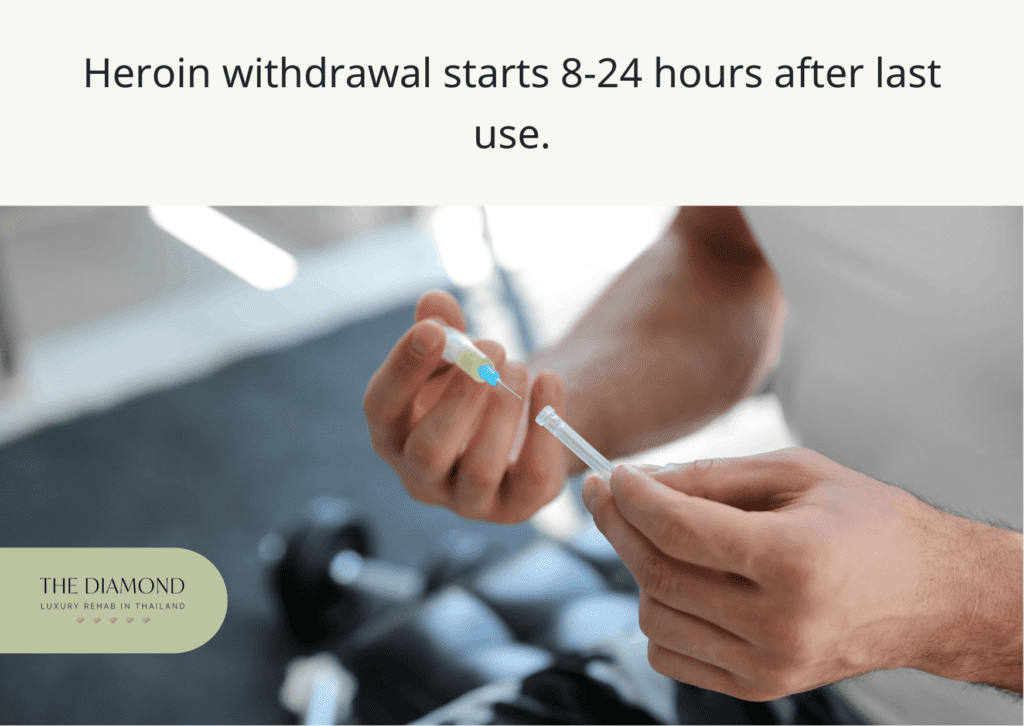
Heroin withdrawal starts 8-24 hours after last use, as evidenced in Chapter 4 “Withdrawal Management” in the book Clinical Guidelines for Withdrawal Management and Treatment of Drug Dependence in Closed Settings, published by the World Health Organization in 2009.
The onset varies based on factors such as the length and intensity of heroin use. Early symptoms include restlessness, anxiety, and mild physical discomfort, which escalate into more severe symptoms as withdrawal progresses.
What does heroin withdrawal feel like?
Heroin withdrawal feels like a deeply intense unpleasant experience, marked by both physical and psychological symptoms. The physical symptoms often feel similar to a flu characterized by fatigue, body aches, chills, fever, or headaches.
After the acute withdrawal phase, the brain requires time to adjust and return to its normal state, during which certain lingering symptoms persist. These symptoms are known as post-acute withdrawal symptoms (PAWS). These symptoms are typically mild but include feelings of depression, anxiety, irritability, difficulty concentrating, loss of interest in previously enjoyable activities (anhedonia), and a general sense of sadness or emotional dullness, all of which make the withdrawal process particularly challenging. The overall withdrawal experience is overwhelming, highlighting the importance of medical supervision and supportive care during this period.
Why is heroin withdrawal so hard to go through?
Heroin withdrawal is so hard to go through due to a combination of intense physical and psychological symptoms that make the process extremely uncomfortable. Physically, individuals suffer from severe nausea, vomiting, diarrhea, sweating, chills, muscle aches, insomnia, and fatigue, which feel overwhelming and painful. Psychologically, withdrawal leads to anxiety, depression, irritability, restlessness, and powerful cravings for heroin, making it difficult to resist the urge to use again. The fear of facing these distressing symptoms often contributes to relapse, even among those determined to quit. Additionally, underlying mental health conditions and challenging social or environmental factors, such as limited access to support or being around others who use heroin, further complicate the withdrawal process, making it even harder to endure.
Is heroin withdrawal physically painful?
Yes, heroin withdrawal is physically painful, often causing muscle cramps and joint pain. According to the research article “Opioid withdrawal symptoms, frequency, and pain characteristics as correlates of health risk among people who inject drugs” by Ricky N. Bluthenthal et al. published in the journal Drug and Alcohol Dependence in 2020, withdrawal from heroin involves a range of intense physical symptoms, including bone pain and muscle aches, abdominal cramps, tachycardia, rhinorrhea and chills, all of which contribute to significant physical discomfort. Since heroin blocks the body’s pain pathways, there is a rebound effect following withdrawals that makes people more sensitive to pain and causes significant aches, particularly around the legs and back.
Is heroin withdrawal fatal?
No, heroin withdrawal is not fatal as it is a self-limiting process that the body naturally recovers from over time. The severity of withdrawal increases with the size of the heroin dose and the duration of dependence. The withdrawal is extremely uncomfortable and distressing, with symptoms ranging from anxiety and restlessness to nausea, vomiting, and muscle aches.
Although withdrawal itself isn’t fatal, there are risks involved. Individuals who have recently undergone withdrawal from heroin are at a higher risk of overdose if they use it again, due to their decreased tolerance. However, medical detox helps people safely and comfortably go through withdrawal, making it easier for them to get into treatment.
What is the timeline of heroin withdrawal?
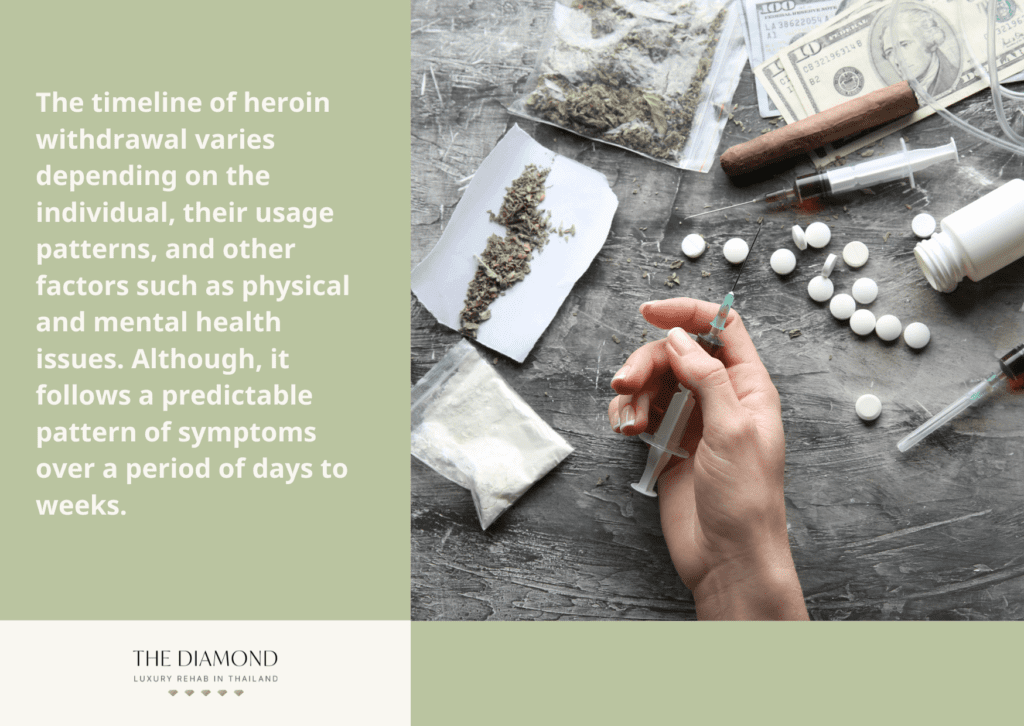
The timeline of heroin withdrawal varies depending on the individual, their usage patterns, and other factors such as physical and mental health issues. Although, it follows a predictable pattern of symptoms over a period of days to weeks. Heroin withdrawal timeline comprises three phases: onset of symptoms, peak withdrawal phase and subsiding of acute symptoms.
The onset of withdrawal symptoms typically starts with craving and anxiety around 8 to 12 hours after the last dose as evidenced in the research article “Pharmacologic treatments for opioid dependence: detoxification and maintenance options” authored by Herbert D. Kleber, published in the journal Dialogues in Clinical Neuroscience in 2007.
The peak withdrawal phase begins over the next 36 to 72 hours. This phase is the most intense, with severe symptoms like nausea, vomiting, diarrhea, abdominal cramps, insomnia, elevated heart rate, and high blood pressure.
Finally, in the last phase, symptoms typically start to diminish within 5 days. While the most intense symptoms usually resolve by the end of the first week, certain withdrawal symptoms persist for one to two weeks such as anxiety, depression, irritability, insomnia, and general discomfort.
How long does heroin withdrawal last?
Heroin withdrawal lasts from 3 to 5 days, as outlined in the research manual “Detoxification and Substance Abuse Treatment: A Treatment Improvement Protocol TIP 45” by the U.S. Department of Health and Human Services, Substance Abuse and Mental Health Services Administration (SAMHSA), last revised in 2015.
After quitting heroin, certain individuals experience post-acute withdrawal syndrome (PAWS), where residual symptoms persist for weeks or even months. These ongoing symptoms are profoundly distressing and lead to relapse.
How is heroin withdrawal treated?
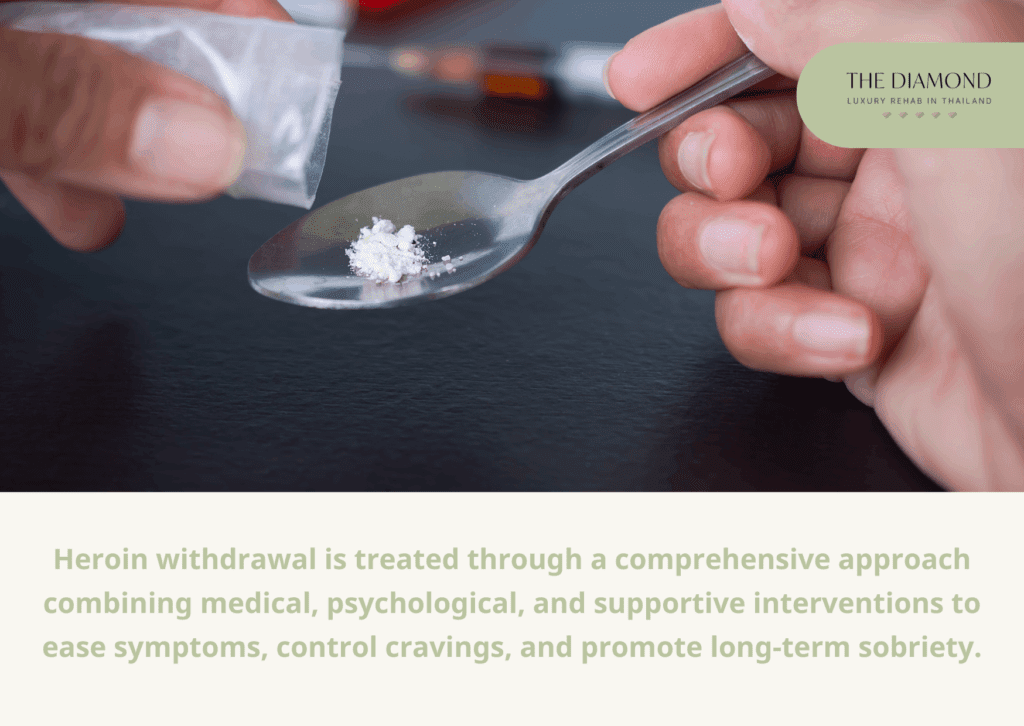
Heroin withdrawal is treated through a comprehensive approach combining medical, psychological, and supportive interventions to ease symptoms, control cravings, and promote long-term sobriety.
Medically supervised withdrawal provides a controlled setting where individuals are monitored and given medications to manage withdrawal symptoms. Medication-assisted treatment (MAT) uses drugs like methadone or buprenorphine to alleviate withdrawal symptoms, reduce cravings, and lower the risk of relapse.
According to Chapter 4 “Withdrawal Management” in the book Clinical Guidelines for Withdrawal Management and Treatment of Drug Dependence in Closed Settings, published by the World Health Organization in 2009, relapse prevention is very important after heroin withdrawal, which often includes a prolonged period of cravings and reduced well-being lasting up to six months.
Behavioral therapies, such as cognitive-behavioral therapy (CBT) and motivational enhancement therapy (MET), help individuals develop coping skills and strategies to maintain sobriety. Support groups, like Narcotics Anonymous (NA), offer a safe and supportive environment where individuals in recovery connect with others who share similar experiences.
How long does heroin detox take?
Heroin detox takes about a week, with the most intense withdrawal symptoms occurring around the second or third day after the last dose. However, the length and severity of withdrawal differ based on various factors such as the length of time heroin was used, the amount consumed, the method of use, and any pre-existing health conditions.
A team of healthcare professionals, including doctors and nurses, specialized in the drug detox process, provide constant support. They prescribe medications to ease out the withdrawal symptoms and cravings and offer emotional support to handle the mental and physical challenges of withdrawal.
What drugs are used to reduce the effects of heroin withdrawal?
Drugs that are used to reduce the effects of heroin withdrawal include buprenorphine, methadone, and clonidine.
Buprenorphine works best for moderate to severe heroin withdrawal symptoms. It lessens cravings and symptoms of withdrawal. Buprenorphine is only given to a patient once they have begun to experience withdrawal symptoms, which is often at least 8 hours past the previous heroin dose owing to its partial opioid agonist role.
Methadone is a long-acting opioid agonist which is administered in both inpatient or outpatient settings. It is the most frequently given medication for heroin withdrawal. Methadone helps reduce cravings for opioids and prevents withdrawal symptoms by blocking the effects of opioids.
Clonidine, an alpha-2 adrenergic agonist, alleviates physical symptoms of opioid withdrawal, including sweating, diarrhea, and anxiety. It is commonly used to treat hypertension but has been administered for opioid withdrawal symptoms since 1978, as evidenced in the research manual “Detoxification and Substance Abuse Treatment: A Treatment Improvement Protocol TIP 45” by the U.S. Department of Health and Human Services,Substance Abuse and Mental Health Services Administration (SAMHSA), last revised in 2015.
In summary, while clonidine aids in managing certain physical symptoms, buprenorphine and methadone are specifically designed to reduce cravings and withdrawal symptoms, offering a more comprehensive approach to heroin withdrawal.
How to deal with heroin withdrawal symptoms?
To deal with heroin withdrawal symptoms, start with medically supervised detoxification to ensure a safe and controlled environment. Additionally, being compliant with the prescribed medications helps ease the withdrawal symptoms and reduce cravings. Ensure proper hydration, and nutrition to counteract dehydration and malnutrition from withdrawal symptoms.
Engage in behavioral therapies such as cognitive-behavioral therapy (CBT), to develop coping strategies and address psychological aspects of addiction. Actively participate in treatment decisions, including setting short- and long-term goals, planning discharge, and joining support groups to prevent relapse. Additionally, integrating mindfulness techniques, such as regular physical exercise and a balanced diet, enhances overall well-being and helps reduce cravings.